At first glance, stock art platforms can seem like the faster, easier option for product development. Download a file, place it on a product, and move on. But for manufacturers and retailers building long-term wall decor and home product programs, the limitations of stock files often surface later in the process, especially when collections need to grow, scale, or maintain consistency across categories.
1. Stock Files Are Not Always Built for Product Development
One of the biggest challenges with stock files is flexibility. Many files are created for broad digital use rather than real-world manufacturing applications, which can create problems once artwork moves into production.
Common challenges include:
- Limited DPI or lower-quality file resolution that does not scale well across larger products or multiple formats
- Missing layers, editable elements, or production-ready formatting for product development
- Difficulty finding coordinating patterns, icons, or companion artwork to expand a collection later
- Inconsistent artistic style when trying to build a cohesive line across categories
When working with an art licensing agency, collections are built with scalability in mind.
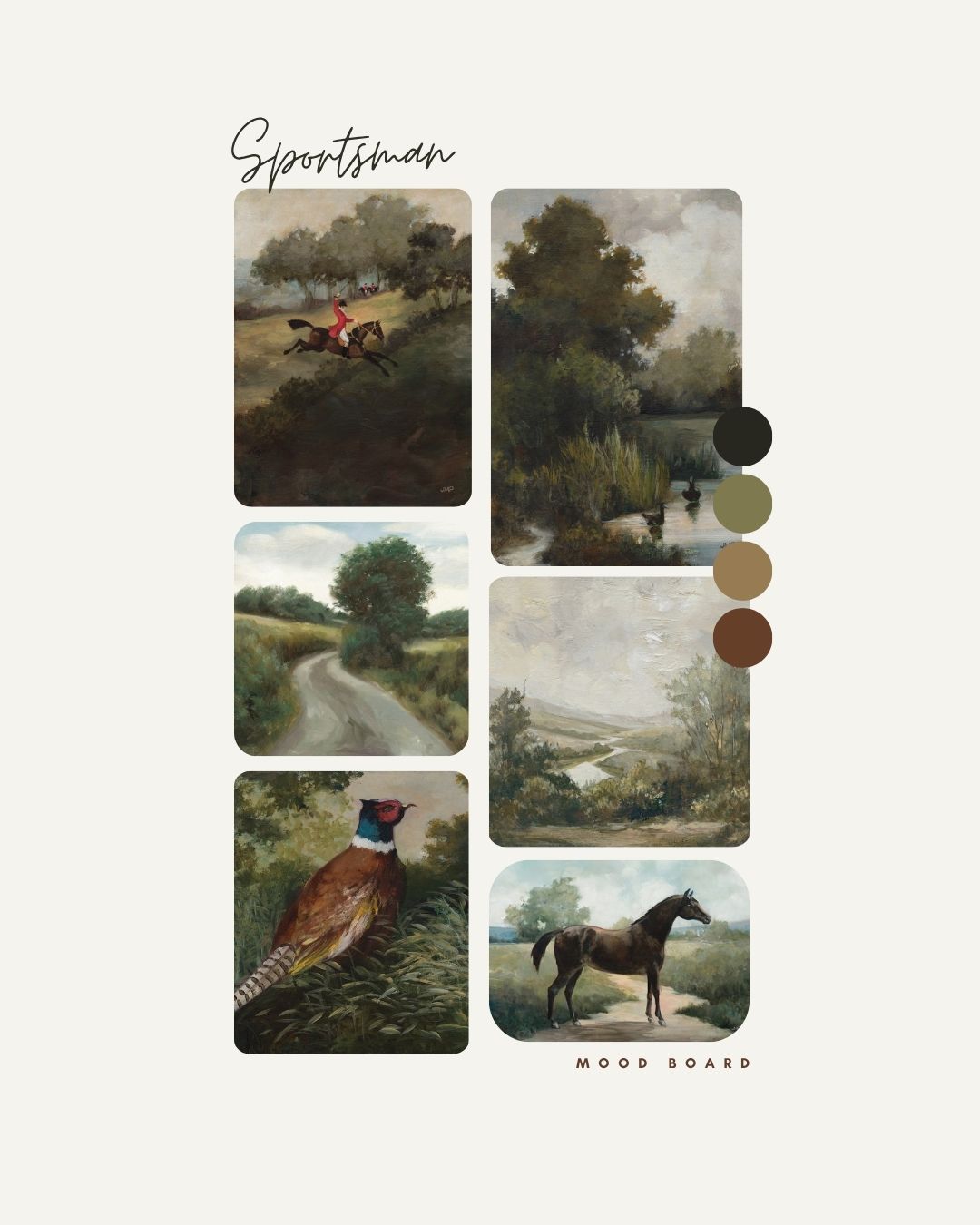
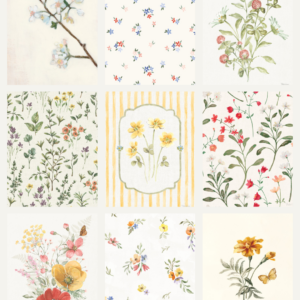
Manufacturers gain access to high-resolution, production-ready files along with broader collections from the same artist, making it easier to extend a look across wall decor, bedding, wallpaper, tabletop, stationery, and other home product categories while maintaining consistency.
2. Copyright and Licensing Rights Can Become Complicated
Copyright and licensing can become far more complex with stock platforms than many companies initially expect. Rights may be limited, difficult to verify, or structured in ways that create restrictions later as a product line grows.
Potential risks can include:
- Limited reproduction rights or usage restrictions are hidden within licensing agreements
- Uncertainty around copyright ownership or whether the artwork was fully cleared before upload
- Difficulty renewing or expanding rights if an artist leaves the platform or removes the artwork
- Lack of exclusivity, making it possible for similar products to appear across multiple retailers
Working with an art licensing agency provides a much clearer and more collaborative structure.
Rights are managed directly, usage terms are transparent, and collections are supported over time as programs expand. Manufacturers and retailers also gain access to experienced teams who understand both creative direction and production requirements, helping reduce risk while building stronger, more cohesive collections.
Building Long-Term Collections Requires Long-Term Support
Stock files can work for quick projects, but they are often harder to build long-term. As collections evolve, manufacturers frequently need coordinating artwork, expanded usage rights, updated formats, or new supporting designs that match the original direction.
That ongoing support is where an art licensing agency becomes especially valuable. Instead of sourcing disconnected files from multiple creators, companies can work within curated collections developed by professional artists who continue building within the same style, palette, and visual direction.
At Wild Apple, we work closely with artists and manufacturers to provide production-ready artwork, clear licensing agreements, and scalable collections designed for wall decor and home products. For companies building long-term programs, that combination of creative flexibility, copyright clarity, and ongoing support can make a significant difference over time.