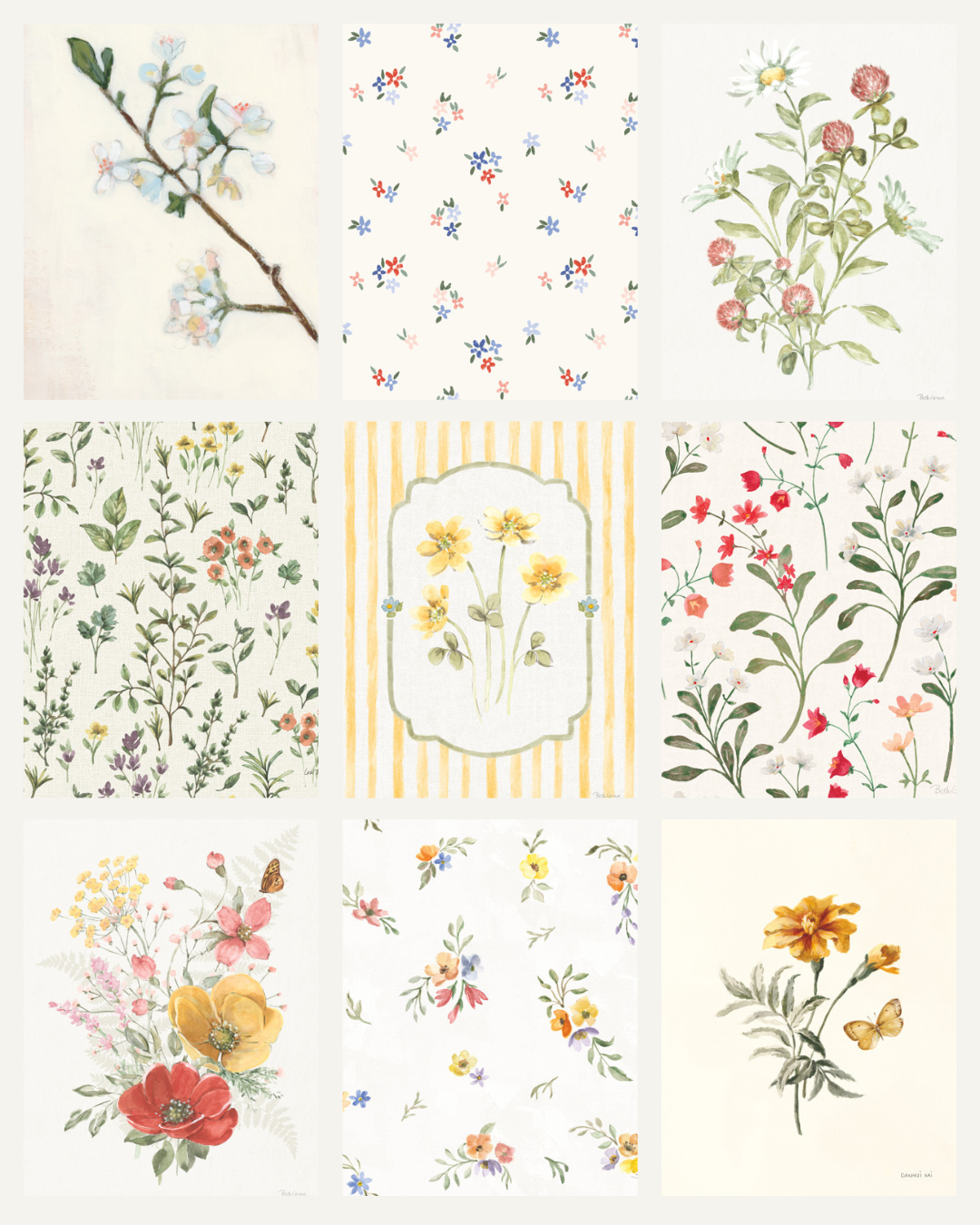
Summary: Tiny florals are making a quiet comeback in home decor and art licensing, offering a softer, more nostalgic alternative to the oversized blooms of recent years. These small-scale botanicals layer easily into interiors and translate seamlessly across products like wallpaper, bedding, tabletop, stationery, kitchen textiles, and framed art. As consumers continue moving toward collected, comforting spaces, tiny florals are poised to stay relevant through 2026 and beyond.
For a while, florals in home decor—across broader home decor trends—leaned oversized, dramatic, and expressive. Big blooms dominated wallpaper, textiles, and wall decor with bold color and scale. But lately, something softer has been starting to emerge.
Tiny florals are back, especially visible as tiny florals in art licensing.
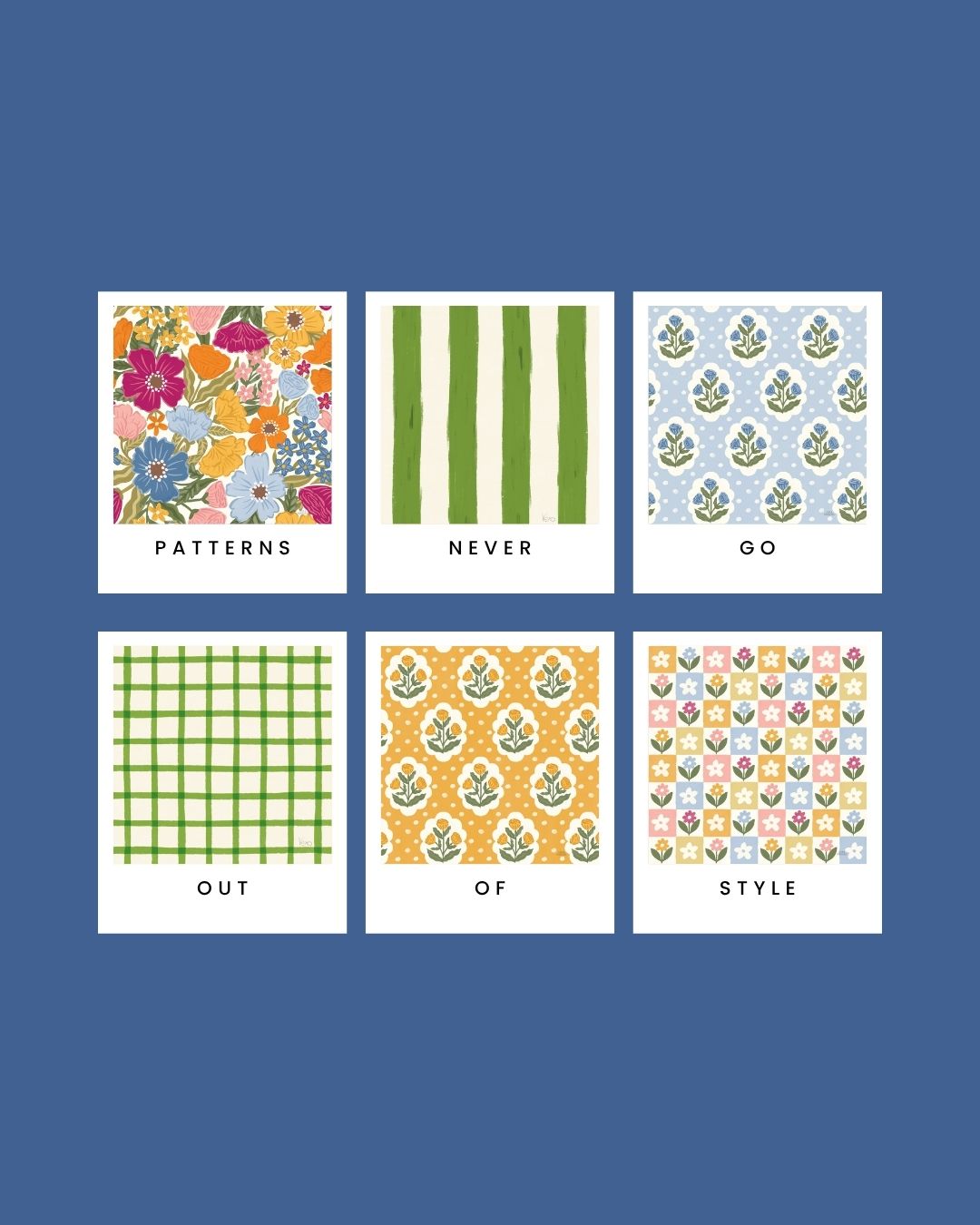
Delicate petal prints, scattered wildflowers, miniature botanicals, and small-scale floral repeats are finding their way into everything from wallpaper and bedding to tabletop, stationery, and framed art. The look feels nostalgic, easy to live with, and surprisingly fresh again as consumers move toward interiors that feel more personal, layered, and comforting.
What makes this trend especially interesting is that it is not overly formal or traditional. Today’s tiny florals feel relaxed and playful rather than precious. They connect beautifully to the larger movement toward cottage-inspired interiors, vintage influences, garden aesthetics, and softer, more collected homes.
The Return of Softness and Comfort
Tiny floral patterns naturally create a gentler visual rhythm in a space. Instead of becoming the focal point, they layer quietly into interiors, adding texture, movement, and warmth without overwhelming the room.
That softer approach is resonating strongly right now as consumers continue moving away from stark minimalism and toward homes that feel more emotional and lived-in. Tiny florals bring a sense of familiarity that feels comforting, especially when paired with washed color palettes, natural textures, and vintage-inspired styling.
We are seeing this direction emerge across fashion as well, with smaller floral prints returning in dresses, accessories, and textiles from both luxury and mainstream brands. As often happens, that softer romantic influence is naturally carrying into home decor and shaping art licensing trends.
Tiny Florals Work Beautifully Across Product Categories
One of the reasons this trend is gaining momentum in art licensing is its incredible flexibility within current art licensing trends.
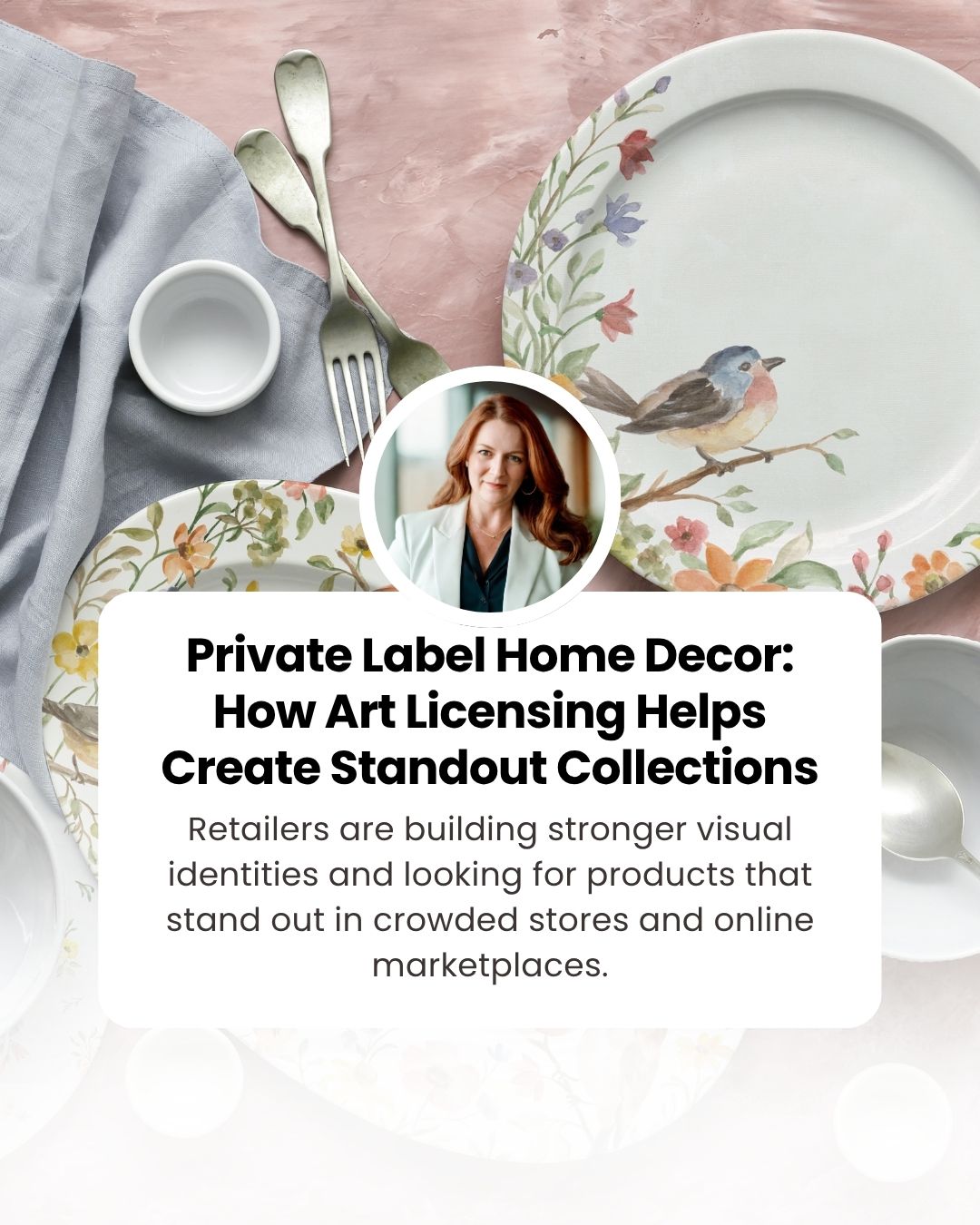
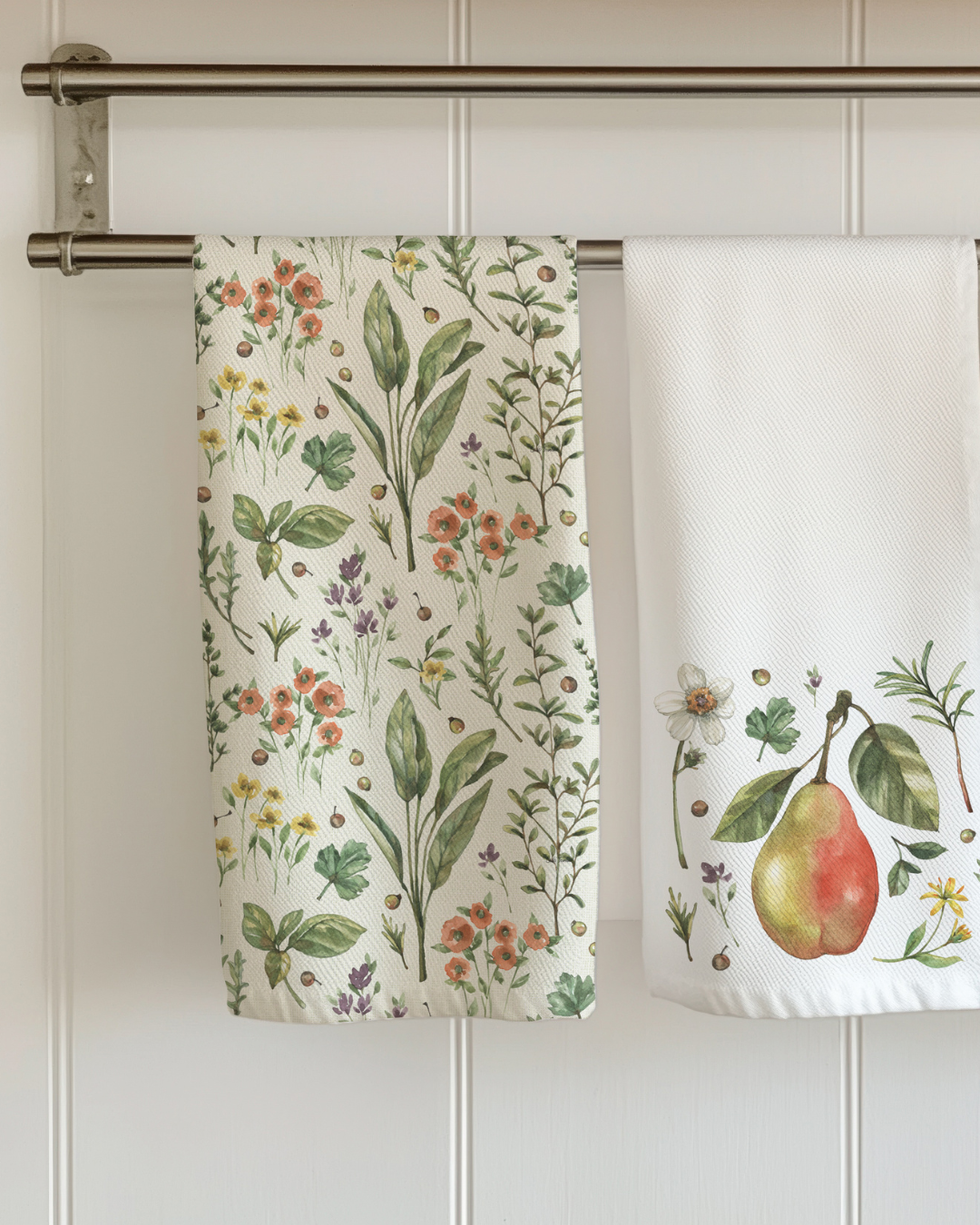
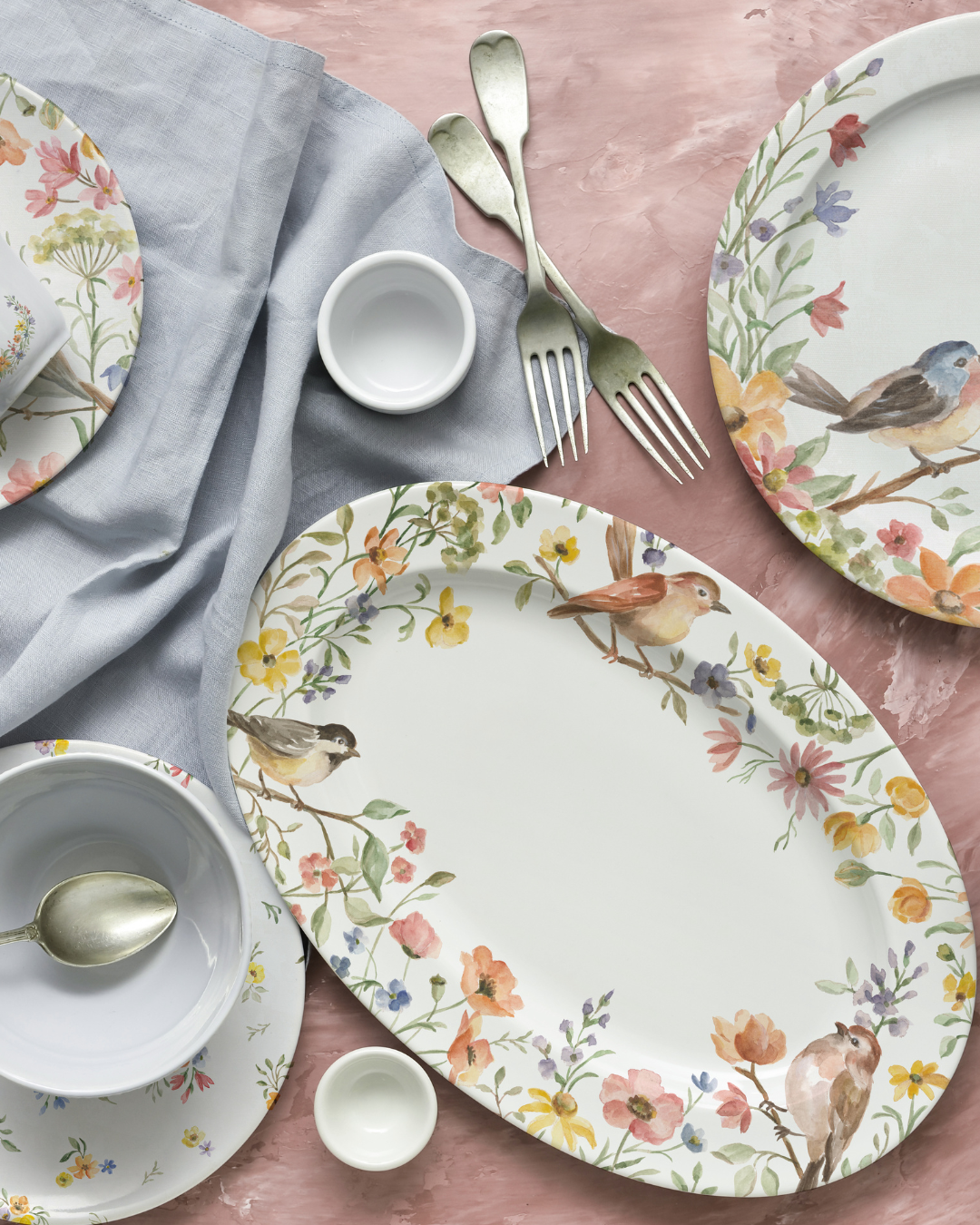
Tiny florals translate effortlessly across wallpaper, bedding, tabletop, stationery, kitchen textiles, gift, and wall decor, a win for evolving home decor trends. They can lean sweet and nostalgic, soft and tonal, or even modern, depending on the palette and styling.
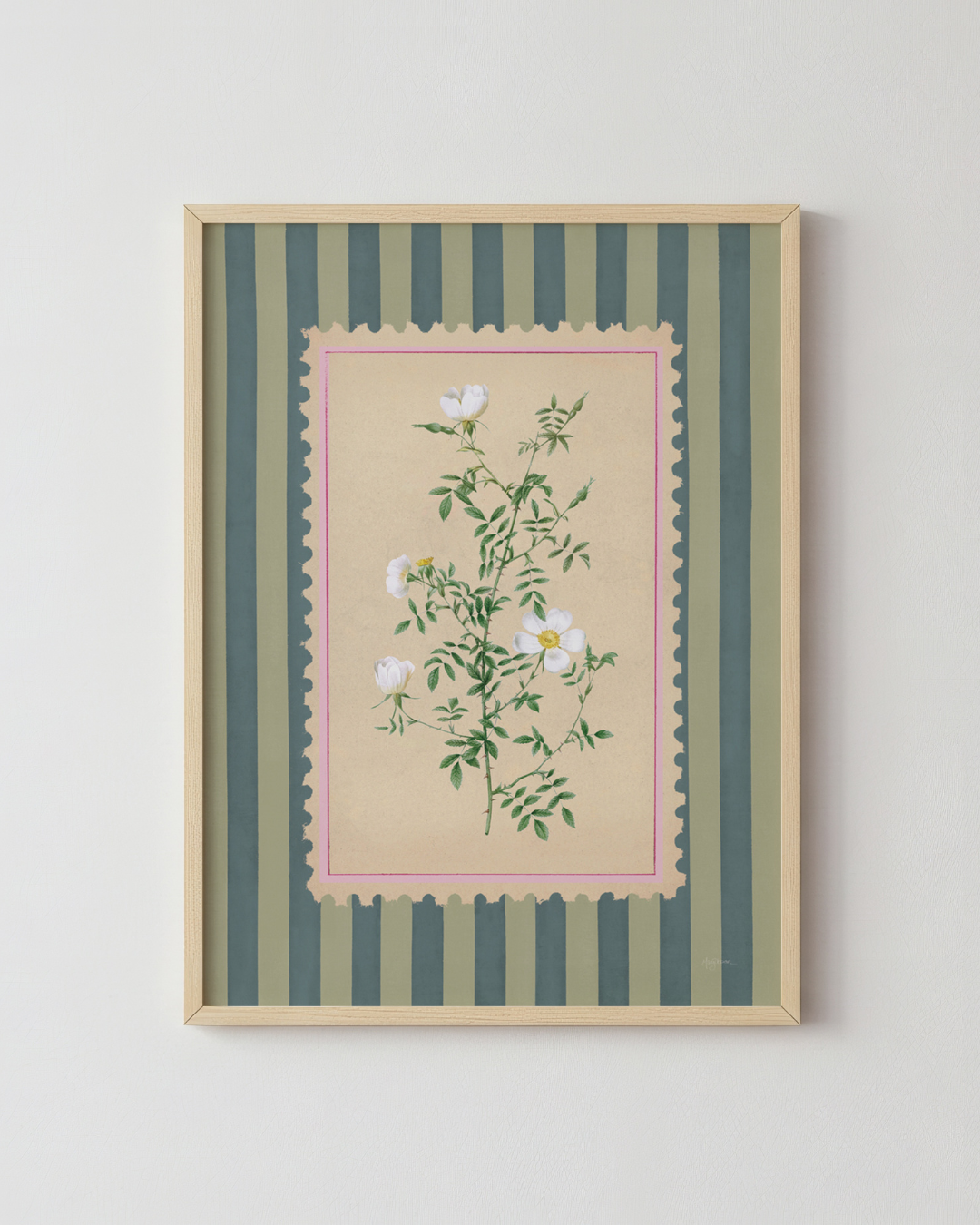
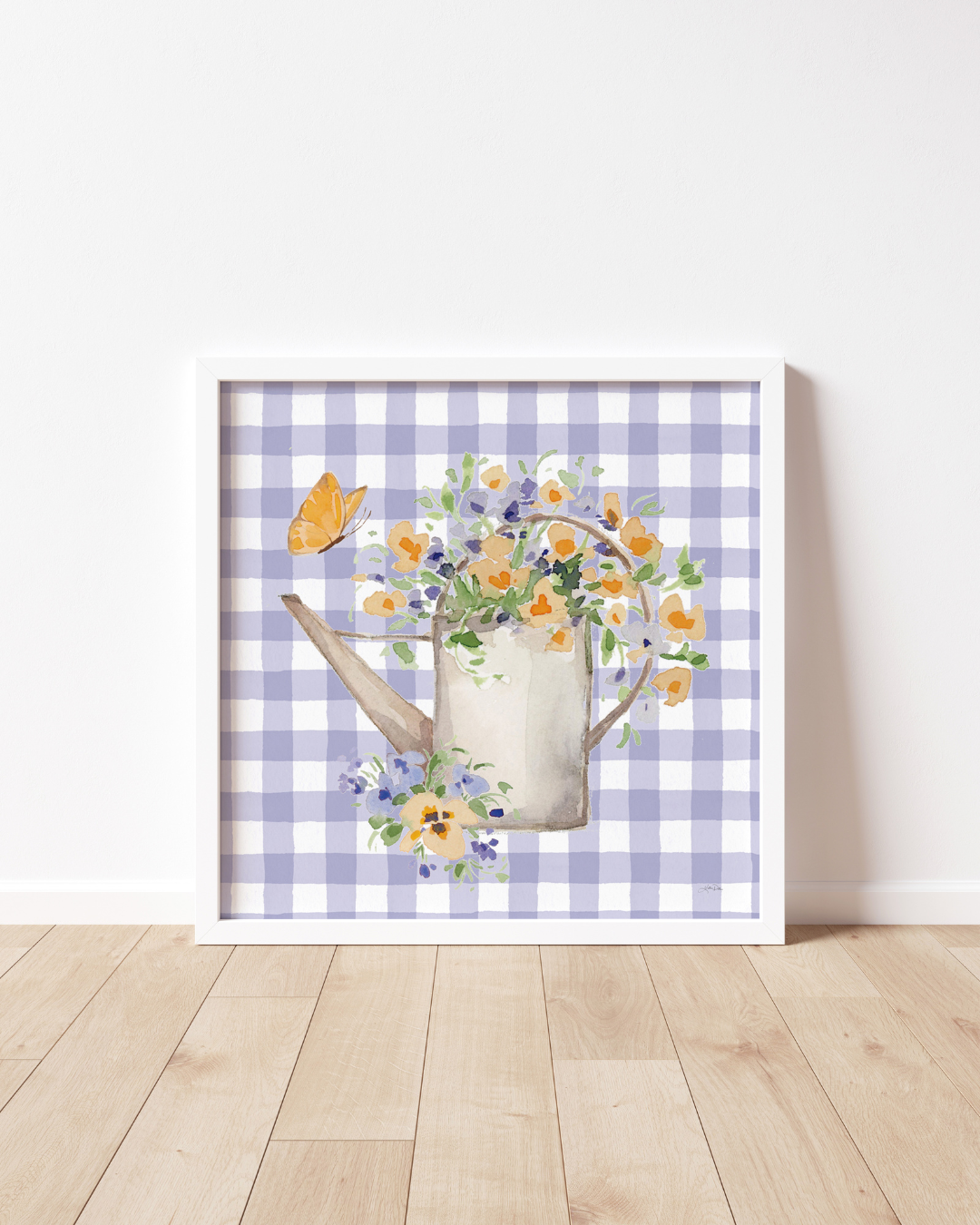
For manufacturers and retailers, these smaller-scale patterns are especially useful because they layer so well with other trends. Tiny florals can sit alongside stripes, checks, coastal textures, vintage-inspired palettes, and even moodier interiors without competing for attention.
That versatility makes them easy to merchandise and easy for consumers to bring into their homes.
Why Tiny Florals Feel So Right for 2026 and Beyond
Part of what consumers are responding to is the emotional quality of the trend within home decor trends. Tiny florals feel approachable, optimistic, and deeply connected to ideas of comfort and everyday beauty.
In a design landscape that spent years focused on clean perfection, there is something refreshing about artwork and patterns that feel softer, more relaxed, and a little imperfect. Tiny florals bring personality into a space without making it feel overly styled.
At Wild Apple, we are seeing growing interest in small-scale floral artwork and patterns designed for both wall decor and home product licensing. From delicate botanical repeats to painterly wildflower studies, these collections work beautifully across wallpaper, bedding, tabletop, stationery, and framed art programs. This momentum aligns with the art licensing trends we track.
As interiors continue shifting toward spaces that feel layered, welcoming, and emotionally connected, tiny florals are proving that sometimes the smallest details make the biggest impact.
Tiny Florals in Art Licensing Q&A
Question: What defines the “tiny florals” trend, and how is it different from the oversized floral look we’ve seen recently?
- Short answer: Tiny florals are small-scale botanical patterns—delicate petal prints, scattered wildflowers, and miniature repeats—that create a gentle visual rhythm rather than a bold focal point. Unlike the previous era’s oversized, dramatic blooms with strong color and scale, today’s tiny florals feel relaxed, playful, and nostalgic. They slip quietly into a space, adding texture, movement, and warmth without overwhelming the room.
Question: Why are tiny florals resonating with consumers now—and into 2026 and beyond?
- Short answer: Consumers are moving away from stark minimalism toward interiors that feel layered, emotional, and lived-in. Tiny florals read as approachable, optimistic, and comforting, especially with washed palettes, natural textures, and vintage-inspired styling. The softer romantic influence resurfacing in fashion is also flowing into home decor, reinforcing momentum for the trend as we look toward 2026 and beyond.
Question: Where do tiny florals work best in products and categories?
- Short answer: Their versatility is a key driver of the trend. Tiny florals translate seamlessly across wallpaper, bedding, tabletop, stationery, kitchen textiles, gift, wall decor, and framed art. This cross-category applicability makes them a natural fit for art licensing programs and easy for consumers to incorporate throughout the home.
Question: How can tiny florals be styled to feel nostalgic, soft, or even modern?
- Short answer: Palette and styling do the heavy lifting. Pairing tiny florals with washed colors, natural textures, and vintage-inspired elements leans sweet and nostalgic. Keeping the scale small and tonal creates a soft, quiet look. Alternatively, strategic color choices and cleaner styling can push them more modern—while still maintaining their approachable, easy-to-live-with feel.
Question: What makes tiny florals a smart choice for manufacturers, retailers, and licensors?
- Short answer: They layer effortlessly with other trends – stripes, checks, coastal textures, vintage palettes, and even moodier interiors—so they merchandise well without competing for attention. At Wild Apple, growing interest in small-scale floral artwork (from delicate repeats to painterly wildflowers) is translating across wall decor and product licensing. In a market favoring layered, welcoming spaces, tiny florals prove that subtle details can drive broad appeal and strong program cohesion.