Summary
A clear shift is underway in art licensing and home decor, moving away from quiet minimalism toward richer, more emotionally expressive artwork. Moody landscapes, dramatic florals, tonal abstracts, and textured compositions are gaining momentum as consumers seek interiors that feel personal, immersive, and atmospheric. This direction is reinforced across fashion, interior design, and editorial media, where deeper palettes and layered styling are becoming defining aesthetics.
For manufacturers and retailers, this trend creates strong cross-category opportunities. Mood-driven artwork translates seamlessly across wall decor, textiles, wallpaper, tabletop, and accessories, enabling more cohesive and story-driven collections. As emotional design becomes a key driver in purchasing decisions, artwork that prioritizes feeling and atmosphere is increasingly central to successful product development and licensing strategies.
For a long stretch, interiors leaned into restraint. Pale neutrals, minimal styling, and quiet tonal spaces defined everything from wall decor to textiles and tabletop. The result was clean, calm, and highly curated, but often emotionally flat.
That is beginning to change.
Across home decor, there is a clear movement toward interiors that feel more expressive and emotionally charged. Richer color, layered compositions, and artwork with atmosphere are replacing purely decorative visuals. Homes are becoming less about visual silence and more about emotional presence.
From Visual Calm to Emotional Depth
This shift is not about abandoning minimalism entirely; it is about adding weight and feeling back into it.
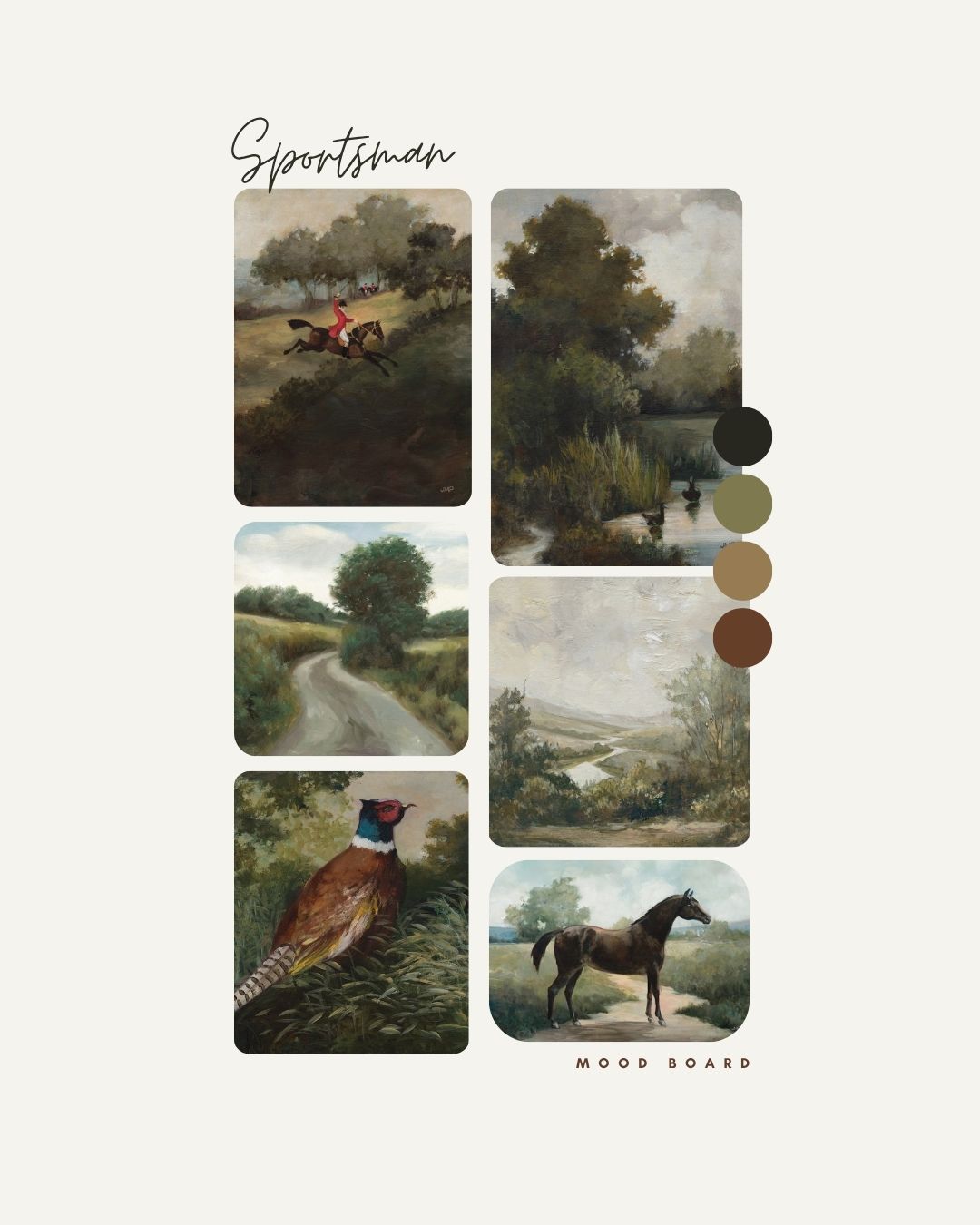
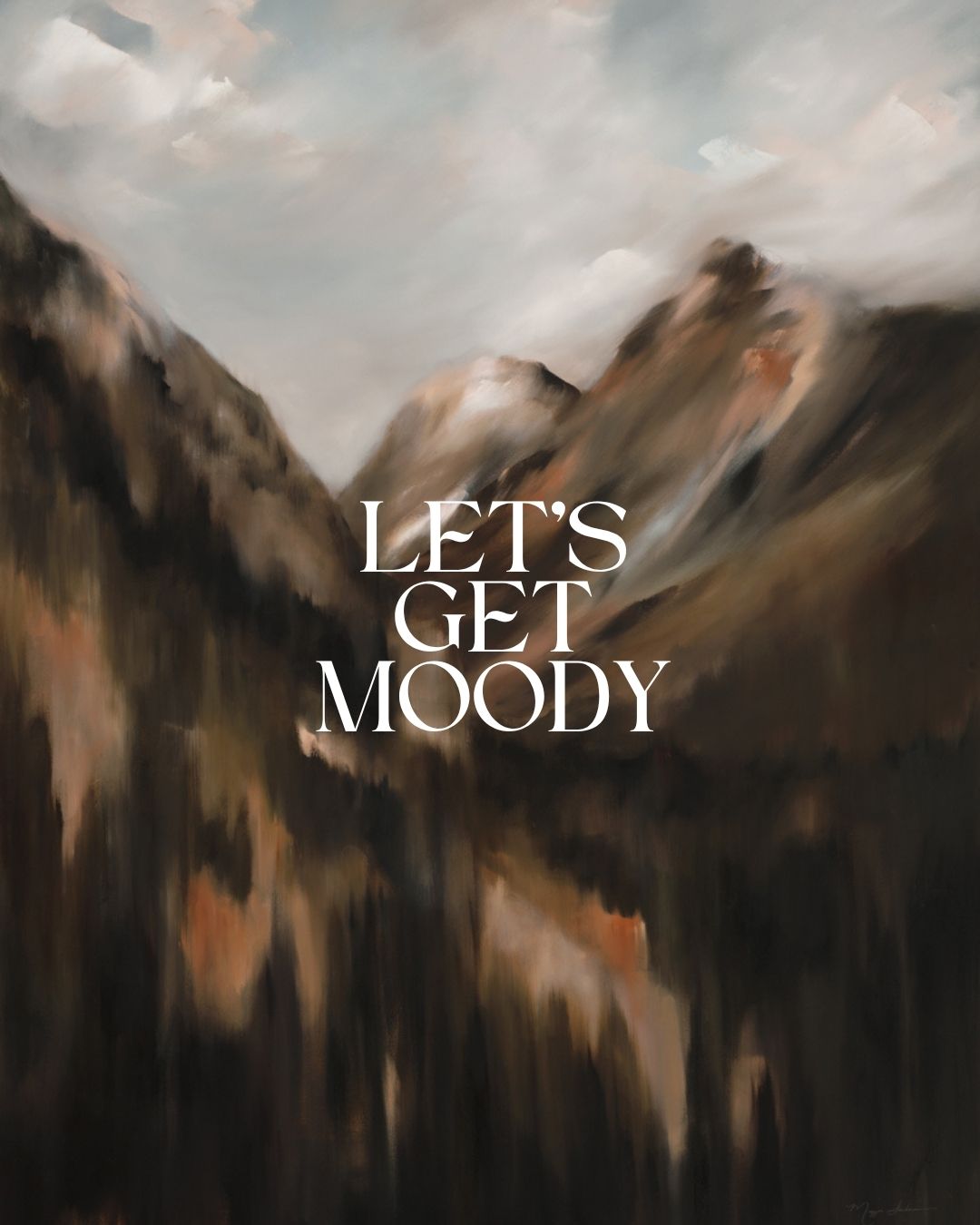
Moody landscapes, dramatic florals, expressive abstracts, and textured painterly work are gaining traction because they create a sense of narrative. Instead of simply matching a room, artwork is now expected to shape how a room feels.
There is a stronger appetite for pieces that feel immersive rather than purely decorative — work that introduces mood, memory, or atmosphere into a space.
Where This Aesthetic Is Being Driven From
This shift toward moodier, emotionally layered interiors is being reinforced across multiple creative industries at once. In interiors, designers such as Heidi Caillier, Kelly Wearstler, and Studio Ashby are consistently pushing richer palettes, textured layering, and more atmospheric, story-driven spaces that feel lived-in rather than staged. Their work has helped move the conversation away from strict minimalism and toward interiors that feel expressive and deeply personal.
At the same time, fashion houses like Bottega Veneta, Saint Laurent, and Dries Van Noten continue to influence interior palettes through deep jewel tones, tactile fabrics, and a renewed focus on mood and materiality. This cross-pollination between fashion and interiors is increasingly visible in how colour and texture are being used in residential design.
Editorial platforms such as Architectural Digest, Dezeen, and House & Garden have further amplified this direction, consistently highlighting “moody minimalism,” “warm maximalism,” and “lived-in luxury” as defining design languages of the moment. Across these channels, the same through-line is clear: a collective move toward spaces that prioritize atmosphere, emotion, and narrative over visual restraint.
Color Is Doing More of the Emotional Work
One of the clearest indicators of this change is how color is being used.
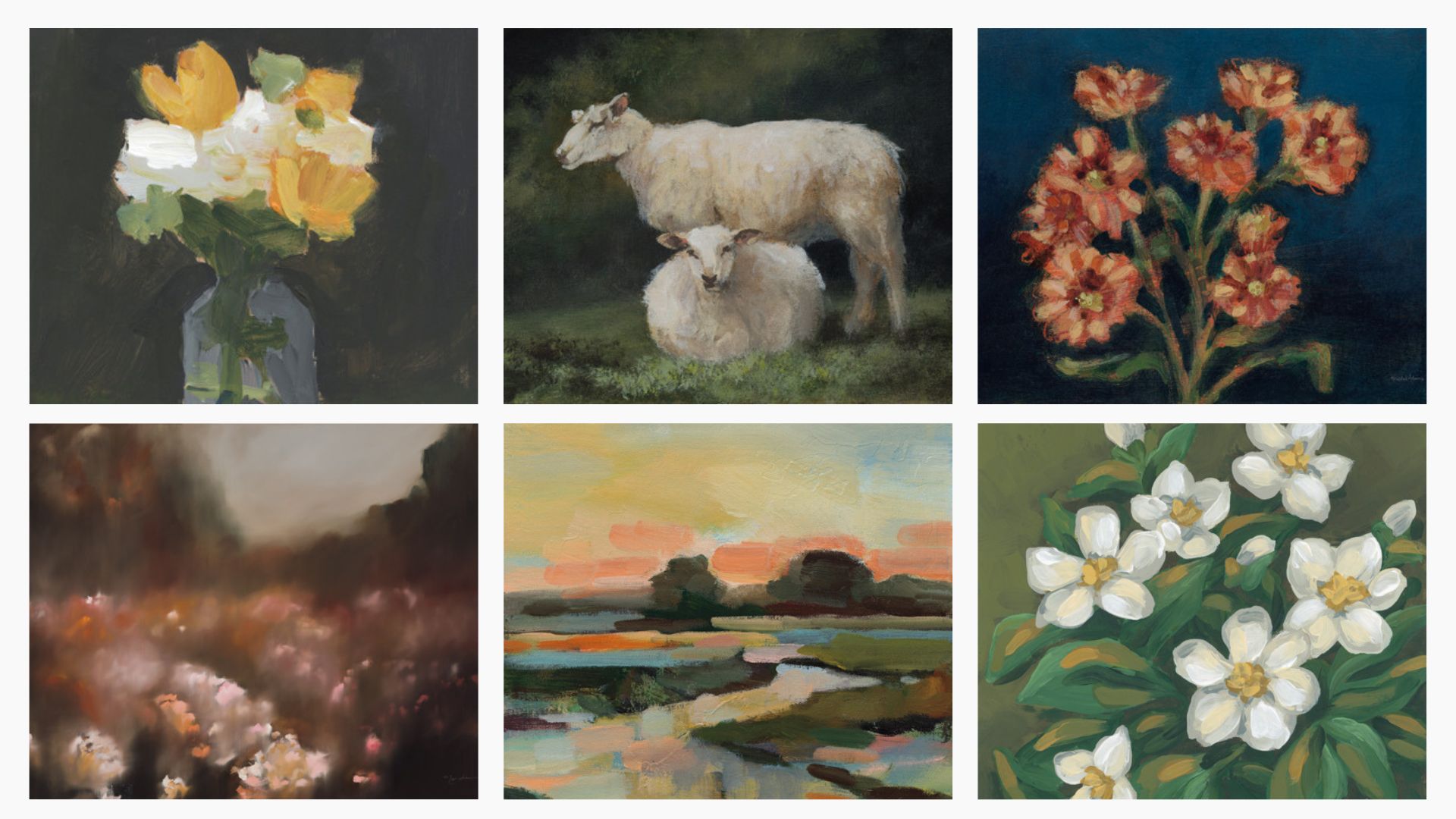
Neutrals are still present, but they are being grounded by deeper, more complex tones — plum, moss green, midnight blue, charcoal, and warm claret. These palettes add emotional weight without overwhelming the space.
Instead of high-contrast or purely graphic color stories, we are seeing layered tonal combinations that feel lived-in and atmospheric. This is translating across categories, influencing not just wall decor but also textiles, tabletop, wallpaper, and decorative accessories.
Why Consumers Are Responding
At the consumer level, this shift reflects a broader change in how people define “home.”
Interiors are becoming more personal and less performative, and frankly, it’s been exhausting to have a ‘perfect’ home all the time. Rather than aiming for perfection, people are looking for spaces that reflect mood, personality, and lived experience.
Artwork plays a central role in that evolution because it sets tone instantly:
- A misty landscape can quiet a space
- A bold floral can introduce warmth and movement
- A layered abstract can add depth without clutter
Emotional Design Is Defining What Comes Next
At Wild Apple, we are seeing strong momentum behind expressive landscapes, dramatic florals, tonal abstracts, and richly textured artwork that brings depth and atmosphere into interiors.
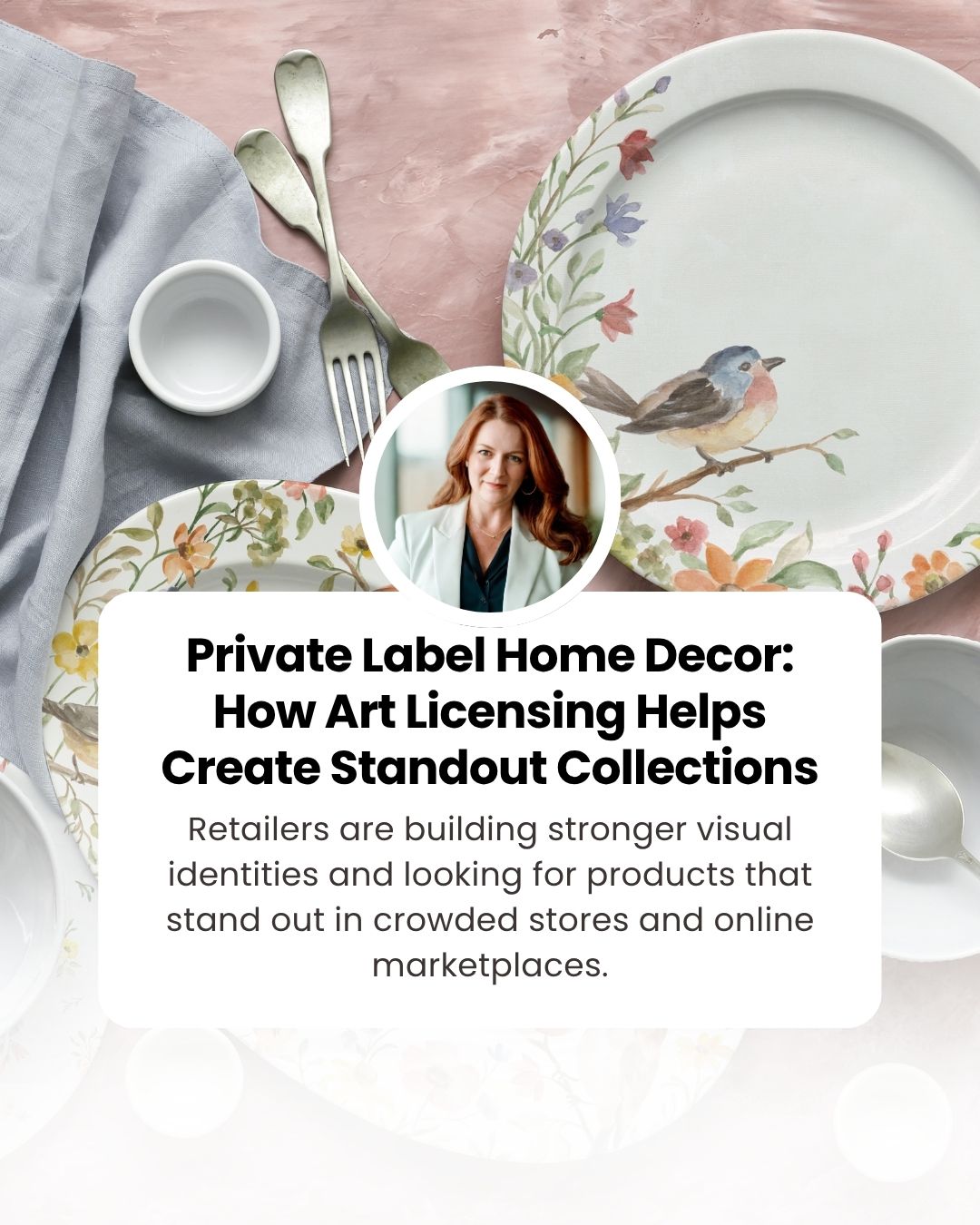
What makes this direction particularly compelling is its versatility. These collections do not sit in one category — they move fluidly from wall art into broader home product programs, giving manufacturers and retailers a cohesive visual language to build from.
For brands developing next-season collections, this is where opportunity is expanding: artwork that does not just decorate a space, but defines its emotional character.
Explore Wild Apple’s latest collections to discover artwork designed for wall decor and home product licensing. Browse trend-forward collections, search by style or subject, or open an account to start building curated programs for your next line.