Hospitality design is shifting. The most memorable spaces today are no longer only defined by how dramatic they feel on arrival, but by how comfortable they feel over time. Guests are drawn to environments that invite them to settle in, slow down, and enjoy the space itself as part of the experience.
This change has given rise to what many are calling the staycation mindset. Even when guests travel, they are seeking the feeling of being at ease, surrounded by thoughtful design that supports rest and quiet enjoyment. The goal is no longer simply to impress, but to create spaces that people genuinely do not want to leave.
Art plays a central role in shaping that experience. It brings a sense of cohesion to a room, softens architectural edges, and establishes an emotional tone that carries through the space. Rather than competing for attention, the most effective pieces create a sense of atmosphere that feels consistent and considered.
The Influence of Residential Living in Hospitality Spaces
One of the strongest influences on hospitality design today comes from residential interiors. Guests are increasingly drawn to spaces that feel lived-in and approachable, with layered materials, warm palettes, and a sense of ease that mirrors how people want to live at home.
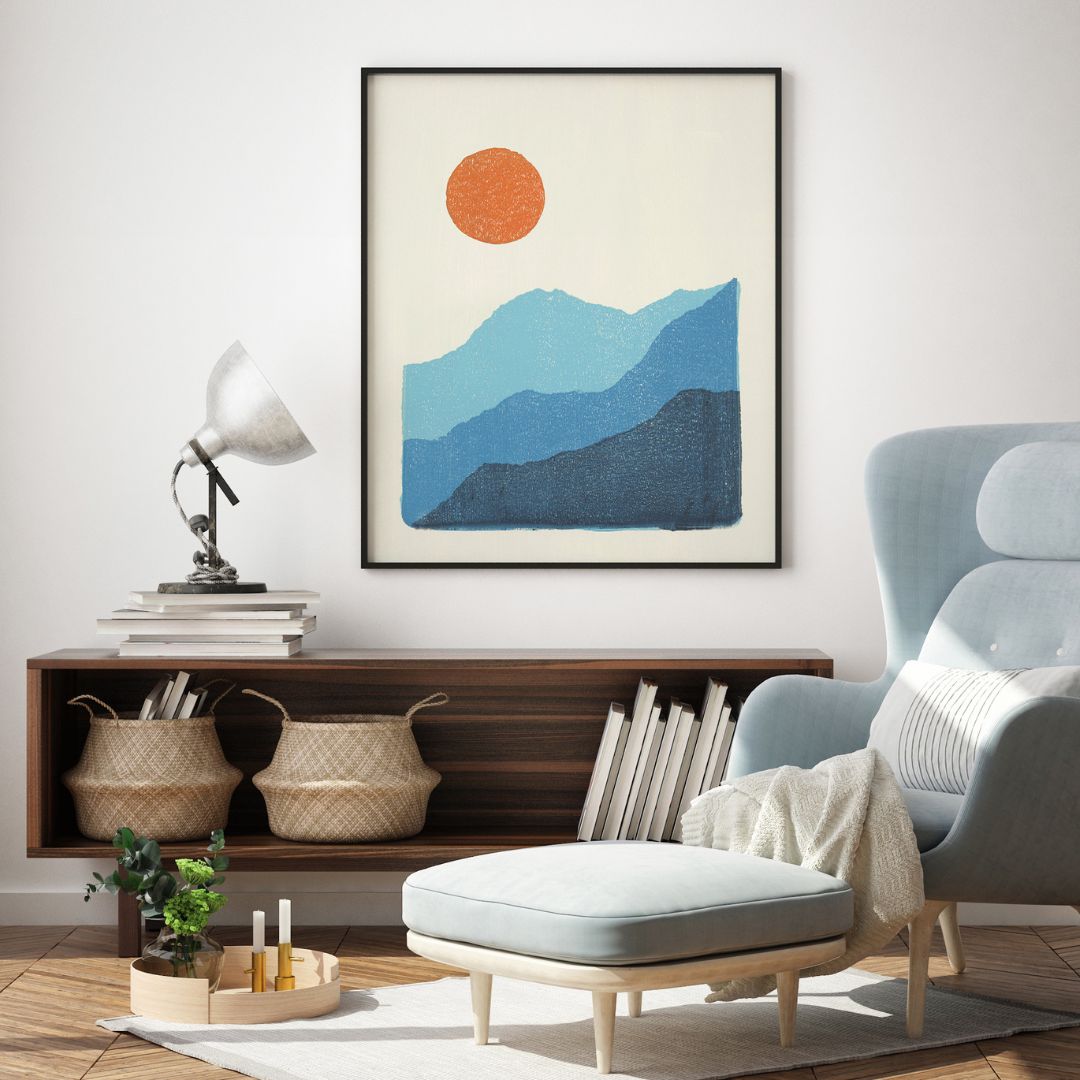
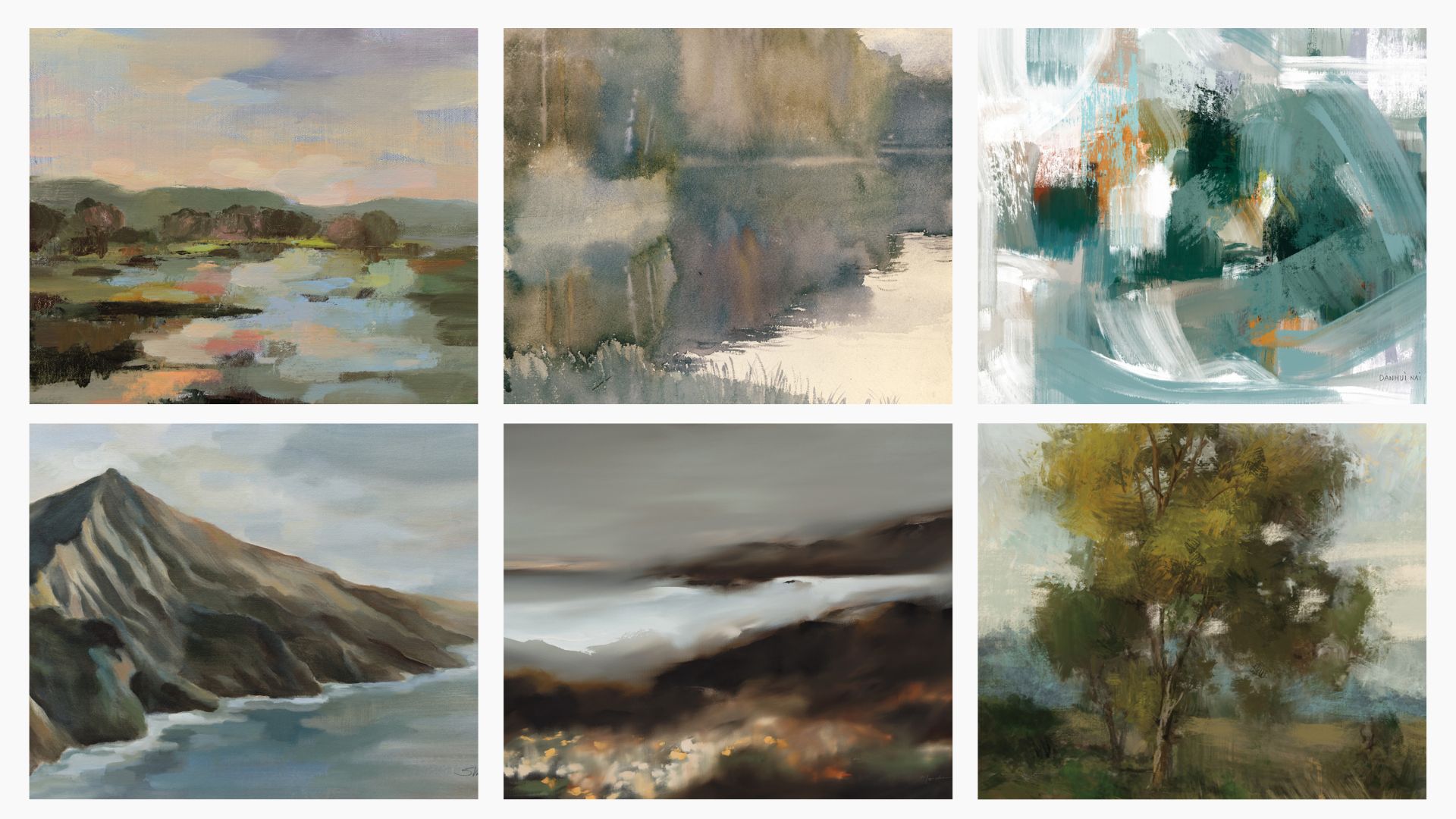
Artwork follows this same direction. Landscapes, abstract compositions, and softly rendered imagery bring depth without overwhelming the room. The intention is to create something that feels personal and grounded, allowing guests to connect with the space in a way that feels natural rather than staged.
Why the Staycation Mindset Matters
The concept of a staycation reflects a broader shift in how people value their time and environment. Guests are looking for experiences that allow them to disconnect from routine while still feeling comfortable and at ease.
This is where visual calm becomes especially important. Artwork that draws on natural elements such as water, landscape, and light helps reduce visual intensity and supports a more relaxed atmosphere. Subtle compositions, florals and tonal palettes create a sense of continuity that allows the space to feel both designed and effortless.
Building Spaces Guests Return To
From a business perspective, the most successful hospitality environments are those that encourage repeat visits. Emotional connection plays a significant role in that outcome. When a space feels good to be in, guests are more likely to remember it, recommend it, and return to it.
Art contributes to this consistency across rooms and properties. It helps establish a recognizable point of view while still allowing for variation that keeps each space feeling unique. Collections can be adapted across locations, creating a sense of familiarity without repetition.
A Cohesive Experience Across the Property
The staycation approach extends beyond the guest room into every part of the property. Lobbies, corridors, restaurants, and wellness spaces all contribute to the overall impression, and artwork can help unify these areas while maintaining distinct identities.
Larger-scale pieces can anchor shared spaces, while smaller works add a sense of intimacy in more private settings. Series and coordinated collections create rhythm and flow, guiding guests through the environment in a way that feels seamless and intentional.
Supporting Hospitality Design Through Art Licensing
For designers and developers, working with an art licensing partner brings both flexibility and efficiency to the process. Access to a wide range of styles allows for thoughtful curation across different properties and audiences, while high-resolution, production-ready files support scalability across formats and materials.
Just as importantly, licensing allows for continuity as projects evolve. Artwork can be expanded, adapted, or refreshed over time, ensuring that spaces remain relevant while maintaining a cohesive design language.
A New Standard for Hospitality Spaces
The expectations for hospitality design continue to evolve alongside broader lifestyle shifts. Guests are seeking environments that feel calm, considered, and comfortable enough to fully inhabit, even for a short stay.
Creating that experience requires attention to every layer of the space, including the role of art. When done well, it becomes part of the atmosphere itself, shaping how a room feels rather than simply how it looks.
The result is a space that lingers with guests long after they leave, and one they are already looking forward to returning to.