Summary
Art licensing looks very different from the days when Wild Apple stocked a warehouse with unframed posters and shipped them around the world. Today, digital delivery, print on demand and carefully prepared files help manufacturers, retailers and hospitality designers bring artwork to more products and spaces. Technology also makes it easier to collaborate with artists across borders, respond quickly to customer needs and print closer to where the finished art will be used.
We Used to Ship the Art. Now We Send the File.
More than 30 years ago, getting Wild Apple art onto walls involved a warehouse, shelves of unframed posters and a lot of shipping. We stocked the artwork, packed orders and sent rolled prints to customers around the world. There was something pretty exciting about knowing a poster leaving Vermont would eventually find a home halfway across the globe.
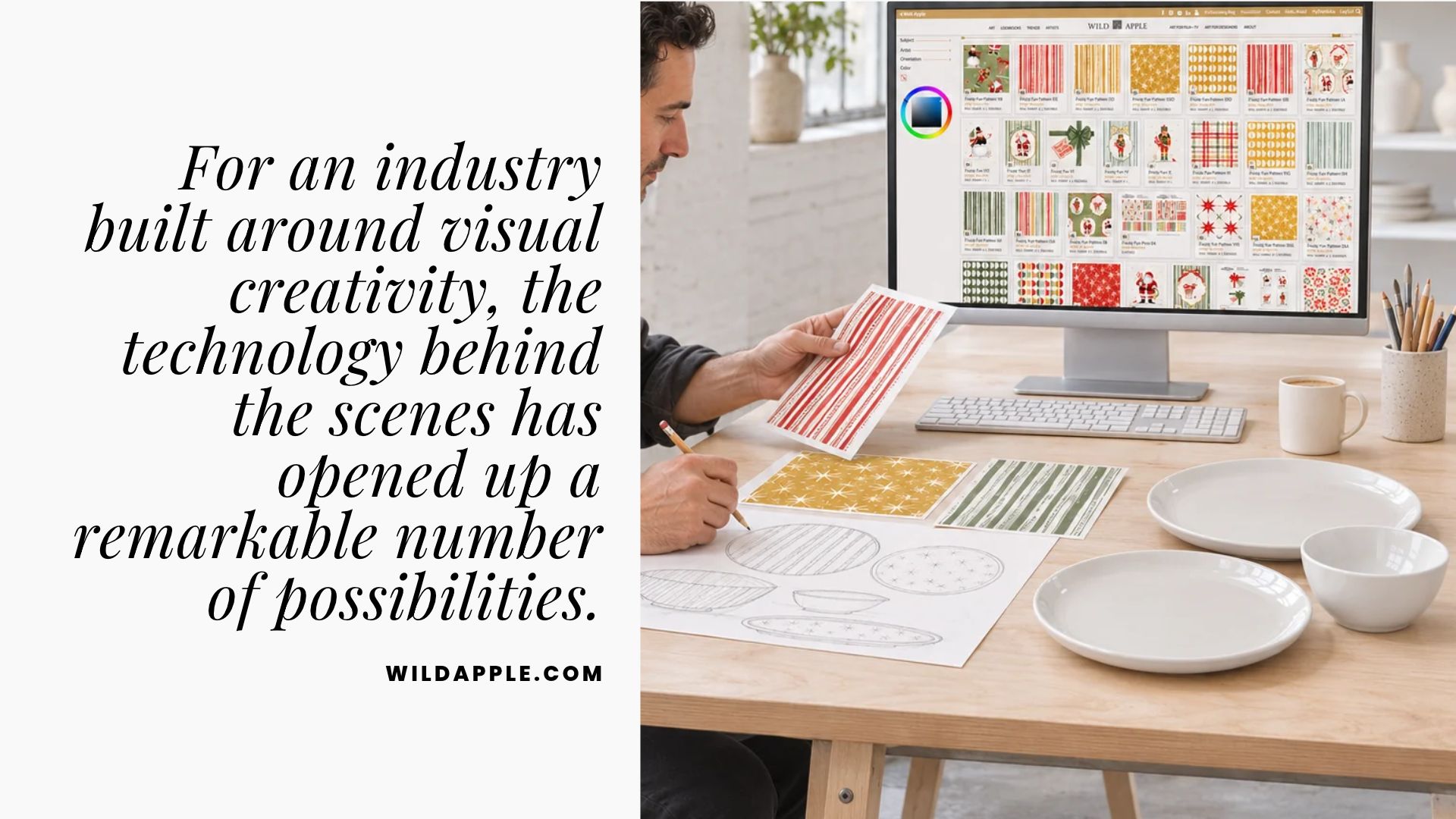
That excitement is still here. The logistics have changed considerably. Today, we can deliver a digital file to a manufacturing partner thousands of miles away, work through an adjustment and help move a project into production without a single poster leaving the building. For an industry built around visual creativity, the technology behind the scenes has opened up a remarkable number of possibilities.
A Great Digital File Gives Art More Places to Go
A beautiful piece of art is the starting point. Turning it into a file that reproduces beautifully takes another kind of expertise. Color, detail, texture and scale all need attention, especially when the same artwork could be considered for a small stationery product or a large piece of wall decor. Simply making a file bigger won’t get you there.
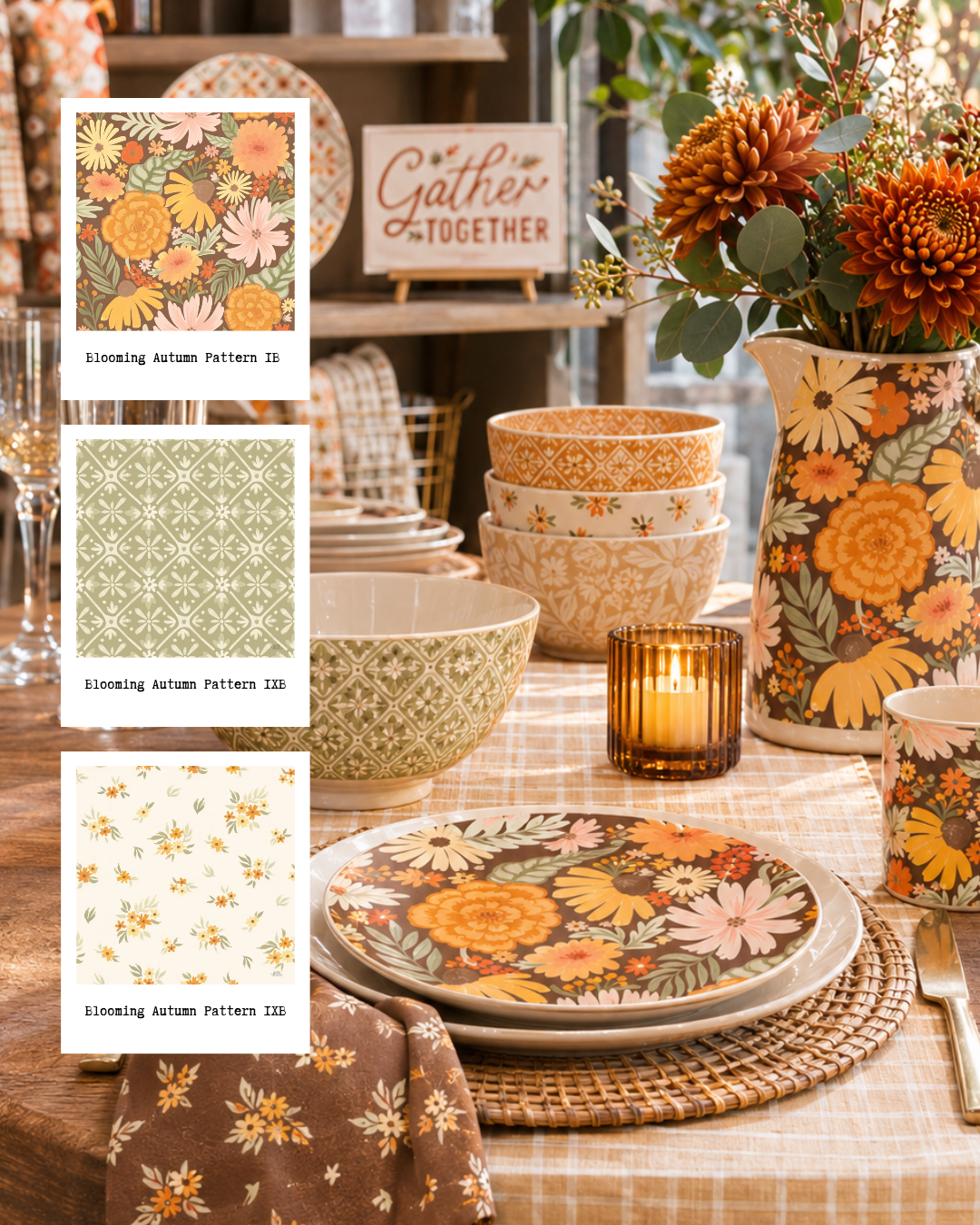
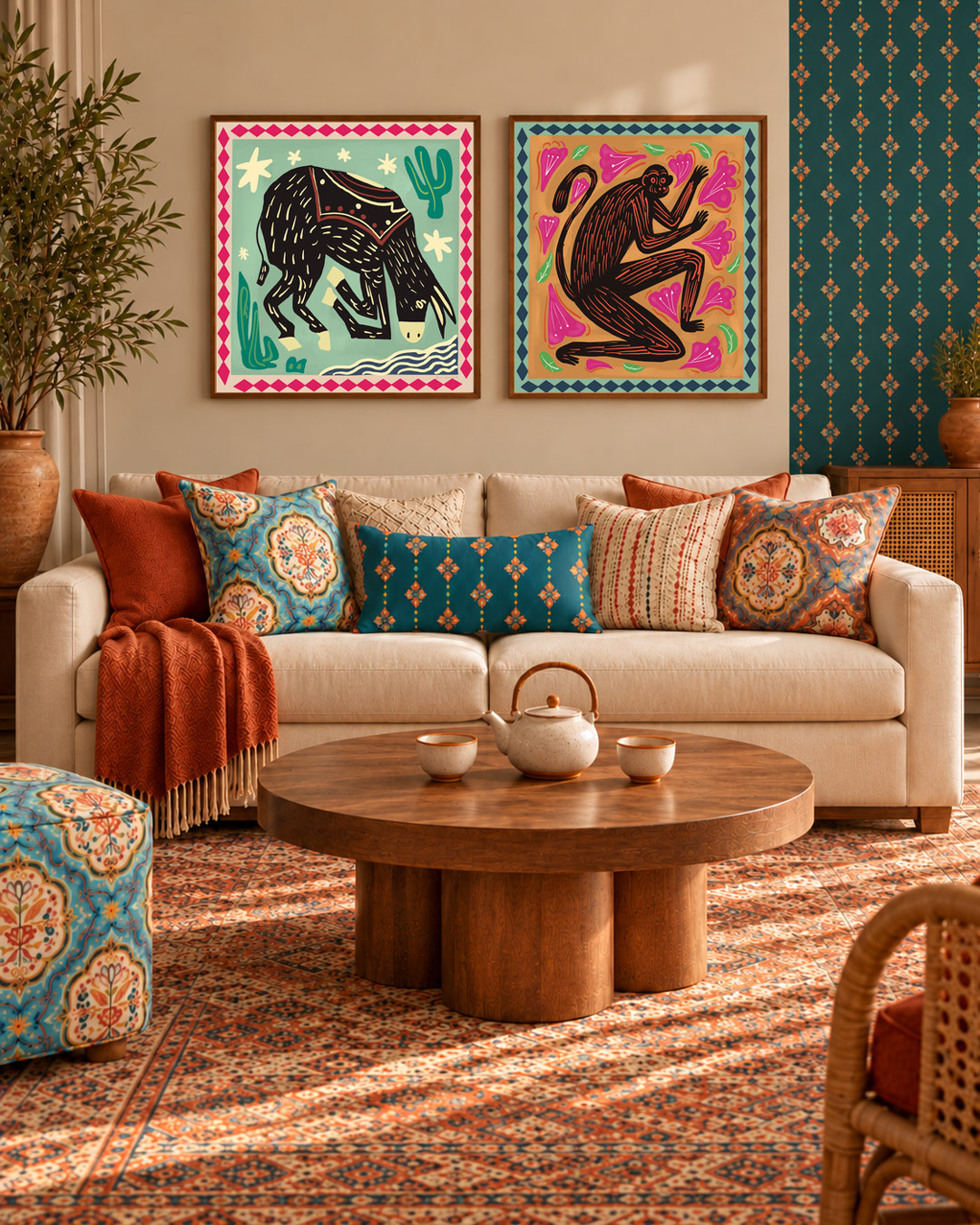
Our digital imaging team and artists spend a lot of time on the details most people will never notice, which is exactly the point. You want to see the artist’s brushwork, the subtle shifts in color and the character of the original work. We prepare files with those qualities in mind and work with our customers on the requirements of their intended application. That preparation gives manufacturers and designers more room to explore. Artwork can become a framed print, a pattern on fabric, an illustrated notebook or an oversized focal point in a hotel lobby. Each material and printing process has its own requirements, but a well-prepared file gives the project a much stronger place to start.
Print on Demand Changed the Warehouse Equation
When you stock printed posters, you have to make decisions before the orders arrive. Which images will sell? How many should you print? Where will you store them? Print on demand changes that equation by allowing partners to produce artwork as orders come in, rather than committing to large quantities of every image in advance.
For wall decor businesses, that creates room to offer a broader selection and try different sizes or formats without holding the same depth of printed inventory. A digital catalogue can give customers plenty to choose from while production follows actual demand.
There’s a practical environmental benefit to that approach, too. Sending a file removes the need to ship a rolled poster from our warehouse to a production partner. Printing closer to the final customer can shorten the physical journey, while producing to order can reduce surplus prints and the materials used to store and handle them. The finished product still needs to be made and delivered, but there are opportunities to cut out unnecessary steps along the way.
Creative Collaboration Can Happen Almost Anywhere
Technology has also changed who can work together and how easily a project can move forward. We can review new work with an artist in another country, share a collection with a manufacturer and discuss an application with a hospitality designer without everyone being in the same room. Time zones still require a little calendar coordination, but distance is much less of a barrier.
For artists, that means more opportunities to connect with a team and a market beyond their own location. They can share work in progress, receive feedback and develop collections through an ongoing conversation. For customers, digital previews and file sharing make it easier to compare options, review mockups and communicate what a project needs.
The people doing that work remain essential. An artist brings the ideas and individual style. Our team brings experience in art development, licensing and digital preparation. Technology helps those people work together more quickly, with more time to spend on getting the artwork right.
Better Technology. More Possibilities for Your Next Collection.
We’ve come a long way from shelves of posters, and we’re still excited to see where the art goes next. A new printing process, an unexpected material or a different way to use an image can open up a whole conversation.
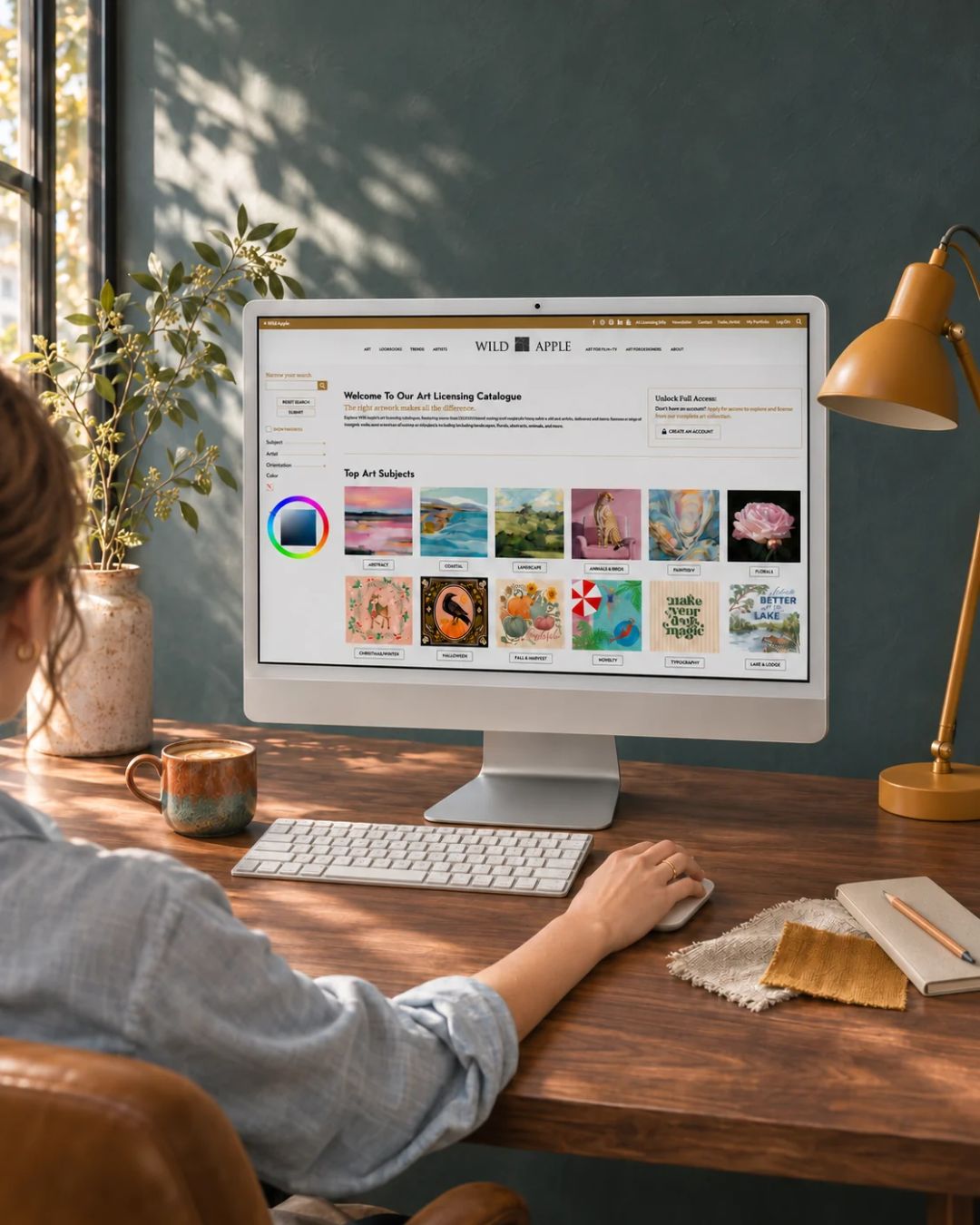
If you’re developing a product collection or sourcing artwork for an interior or hospitality project, explore Wild Apple’s art licensing catalogue and start a portfolio. Tell our team what you’re planning, and we can talk through the artwork, licensing rights and digital file requirements to help bring it to life.