Summary
Explore the realities of art licensing in “5 Art Licensing Myths vs. Reality.” This guide debunks common misconceptions, revealing that commercial success is driven by market knowledge, versatility, and strategic planning rather than just artistic talent or social media fame. Discover why manufacturers prioritize commercial appeal, consistency, and alignment with long-term trends over short-lived fads. Whether you are an artist or a manufacturer, understanding these industry truths is essential for building a successful, long-term licensing career and creating products that truly resonate with consumers.
Art licensing is often misunderstood, especially by artists who are exploring licensing for the first time and manufacturers looking for fresh artwork who may never have licensed art before. While it may seem like a straightforward process, there are plenty of misconceptions about how licensing works, what buyers want, and how artwork makes its way onto products around the world.
Let’s clear up a few of the biggest myths.
Myth #1: Only Famous Artists Can License Their Work
Reality: Great art matters more than a big following.
Manufacturers are looking for artwork that fits their products, their customers, and current market trends. An established social media presence can be a bonus, but it is rarely the deciding factor. Strong collections, commercial appeal, and consistency are far more valuable than follower counts.
Myth #2: Every Licensing Opportunity Requires a Large Collection
Reality: It depends on the product category.
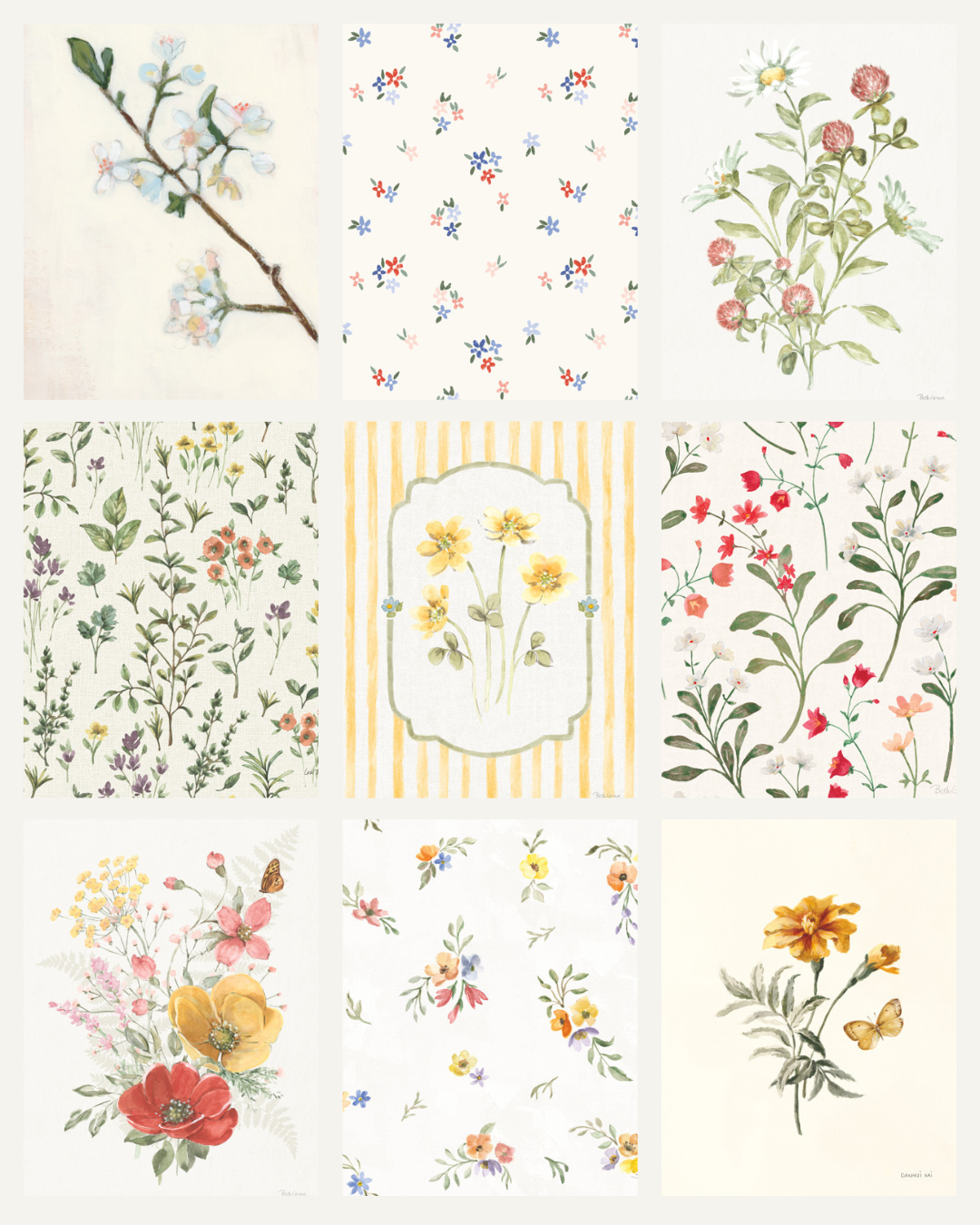
A striking standalone image can be exactly what a wall décor manufacturer or online retailer is looking for, especially for canvas art, framed prints, or oversized murals. In other product categories, such as textiles, stationery, tabletop, or giftware, manufacturers often prefer a coordinated collection of artwork and patterns that can be carried across multiple products. Understanding how artwork will be used is key to building a successful licensing portfolio.
Myth #3: Art Licensing Is Only for Home Décor Products
Reality: Wall décor is one of the biggest licensing categories.
When people think about art licensing, they often picture artwork on stationery, textiles, dinnerware, giftware, or fabric. While those are all important markets, licensed artwork is also at the heart of the wall décor industry. From framed prints and canvas art to posters, murals, and oversized statement pieces, publishers and retailers license artwork to create collections that inspire consumers around the world.
Myth #4: Trends Change Every Month
Reality: Successful licensed art is planned well in advance.
Most home décor and wall décor collections are developed months, and often years, before consumers see them in stores. Manufacturers need artwork that reflects long-term style directions rather than short-lived social media moments. That is why trend forecasting plays such an important role in successful art licensing.
Myth #5: Great Art Is All That Matters
Reality: Commercial success requires more than beautiful artwork.
The strongest licensed collections combine creativity with versatility. Buyers look for artwork that can be scaled, recolored, coordinated with patterns, and adapted for different products while maintaining a consistent point of view. Commercially successful collections are designed with both creativity and production in mind.
Why Debunking These Myths Matters
Understanding how art licensing really works helps artists create stronger portfolios and gives manufacturers confidence when selecting artwork for new product lines. Successful licensing is built on collaboration, market knowledge, and thoughtfully developed collections that connect with consumers.
At Wild Apple, we work closely with talented artists and leading manufacturers to create artwork that is both inspiring and commercially successful. Whether you’re looking to license art for your next product collection or hoping to grow your licensing career, understanding the realities behind the process is the first step toward long-term success.