In today’s art licensing and product development world, rapid digital workflows have made copyright clarity a foundational requirement.
Digital files are shared (almost) instantly, collections scale quickly, and products reach global markets in record time. With that speed comes an important responsibility: making sure the artwork you use is properly licensed, legally protected, and ethically sourced.
For manufacturers and retailers, copyright clarity is not a nice-to-have; it is foundational.
When artwork is not cleared or, in the worst case, copyright infringed, the consequences can extend well beyond an awkward conversation or a last-minute change. Unclear ownership, incomplete permissions, or improperly licensed art can lead to product delays, takedown requests, legal disputes, lost investment, and reputational risk. In some cases, entire product lines may need to be pulled or redesigned after launch, costing time, money, and trust.
As product programs become more complex and distribution becomes more global, the margin for error narrows. Manufacturers need confidence that the art they are building around is legitimate, traceable, and supported by clear agreements. That confidence allows teams to move forward decisively, knowing that what is on the shelf is protected, defensible, and responsibly sourced.
Why Copyright Matters in Art Licensing
Copyright determines who owns an artwork, who has the right to reproduce it, and how it can be used across products, categories, and markets. When copyright is unclear or improperly managed, the risk falls squarely on the company producing and selling the product.
Potential issues include:
- Unauthorized use of artwork
- Disputes over ownership or originality
- Claims from artists or third parties
- Forced product removal or recalls
- Reputational damage
These risks increase when artwork is sourced casually, without formal agreements or clear documentation.
What an Art Licensing Agency Provides
Working with an established art licensing agency removes the uncertainty around wondering if the art you are using has been approved for use by the artist.
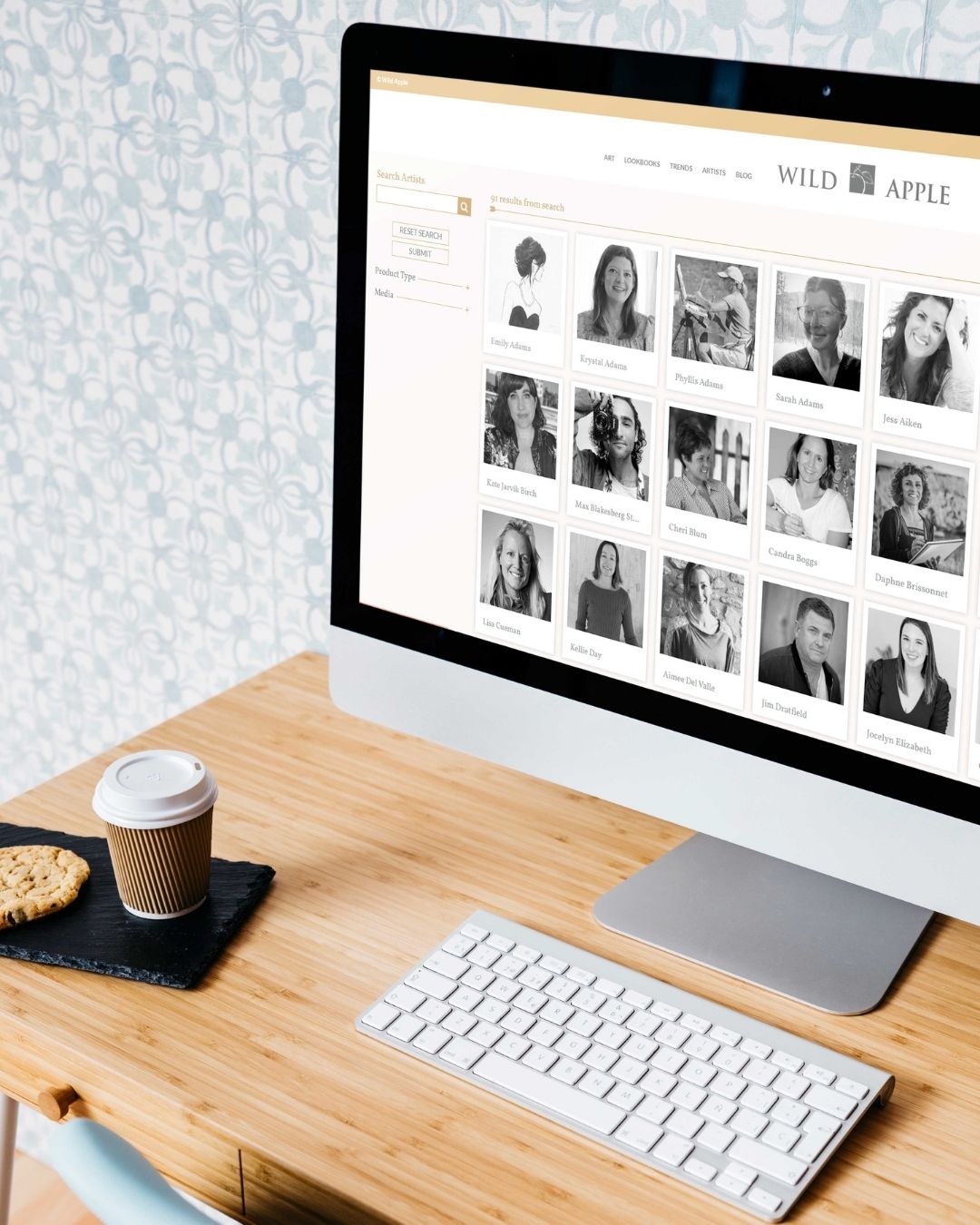
An art licensing agency, like Wild Apple, acts as the steward of the artwork it represents. That means ensuring every image in the collection has a verified creator, clear ownership, and defined licensing terms. It also means managing contracts, usage rights, and permissions so partners can focus on product development, not legal oversight.
At Wild Apple, copyright protection is central to how we work. It’s not an afterthought or something we ignore. It’s built into every piece we offer and every contract.
Artists Retain Their Copyright
One of the most important distinctions in ethical art licensing is ownership. At Wild Apple, our artists retain full copyright to their work. We do not take ownership of their art. Instead, we act as trusted representatives, licensing their artwork to manufacturers and retailers under clearly defined agreements.
This structure protects everyone involved.
- Artists maintain control and receive ongoing royalties for licensed use.
- Licensees receive legitimate, documented rights to reproduce artwork for specific product categories and timeframes.
- Both parties operate within a transparent, legally sound framework.
Clear Rights, Defined Usage
When you license artwork through an agency, you know exactly what you are getting. An art licensing agreement defines:
- What product categories the art can used for
- Duration of use
- Exclusivity, when applicable
- Reproduction and file usage rights
This clarity allows manufacturers and retailers to scale confidently. Whether you are producing a small run or building a global program, you can move forward knowing the rights are in place.
Why Art Licensing Copyright Matters More Than Ever
As digital imagery becomes easier to create, share, and replicate, copyright protection has become increasingly important. Companies that rely on informal sourcing or unclear permissions expose themselves to unnecessary risk. Working with a reputable art licensing agency provides peace of mind. You know the artwork is legitimate. You know the rights are secured. And you know the artists behind the work are being respected and compensated fairly.
The Wild Apple Approach
For more than three decades, Wild Apple has partnered with professional artists and global manufacturers to bring licensed artwork to market responsibly. Our role is to ensure that every piece of art we license is backed by proper copyright, clear agreements, and ethical representation.
Wild Apple is a founding member of the Art Copyright Coalition, an industry-led initiative focused on protecting artists’ rights and strengthening copyright standards across art licensing and manufacturing. The Coalition brings together industry partners to advocate for ethical use of artwork, clear licensing practices, and greater awareness of copyright responsibilities.
At the end of the day, we see ourselves as stewards of both the artwork and the relationships that support it. That stewardship allows our partners to focus on creativity, production, and growth, without worrying about legal uncertainty.
In art licensing, confidence starts with clarity. And clarity starts with doing it right.
Key Copyright Terms Every Art Buyer Should Understand
Understanding a few core terms can go a long way in reducing risk and improving confidence when licensing artwork.
- Copyright
The legal protection granted to the creator of an original work. Copyright gives the artist exclusive rights to reproduce, distribute, and license their artwork. - Copyright Holder
The individual or entity that owns the copyright. In ethical art licensing, this is typically the artist. - License
A formal agreement that grants permission to use artwork under specific conditions, such as product category, territory, duration, and exclusivity. - Rights-Cleared Artwork
Artwork that has been fully vetted, with clear ownership and documented permission for the intended use. - Unlicensed or Unauthorized Use
Use of artwork without proper permission from the copyright holder. This can include incomplete, expired, or incorrect licensing. - Exclusivity
A licensing condition that limits use of an artwork to one licensee within a defined product category or market. - Derivative Work
A new work based on an existing copyrighted work. Creating or using derivative works typically requires explicit permission. - Royalty
The compensation paid to an artist for licensed use of their artwork, usually calculated as a percentage of sales.