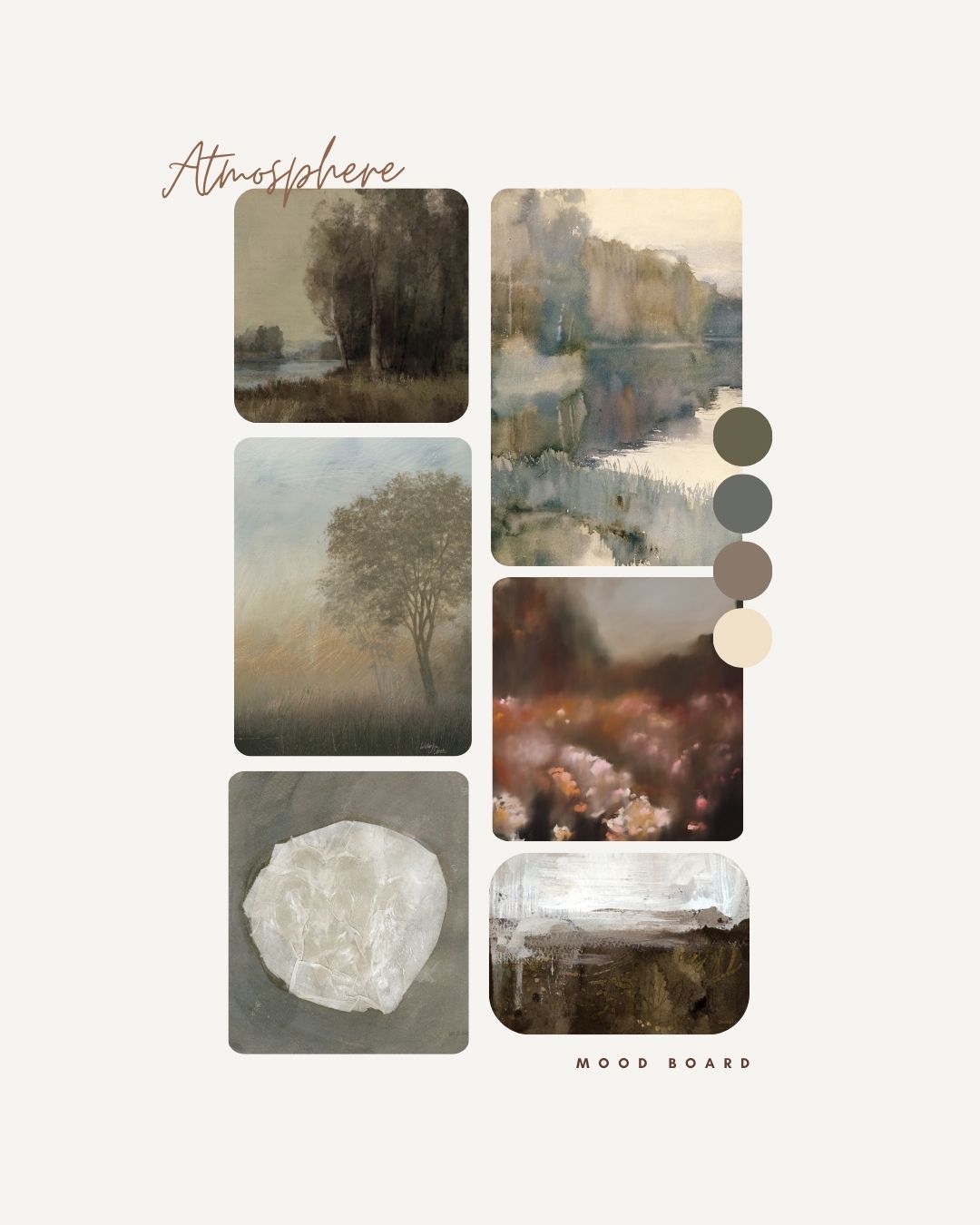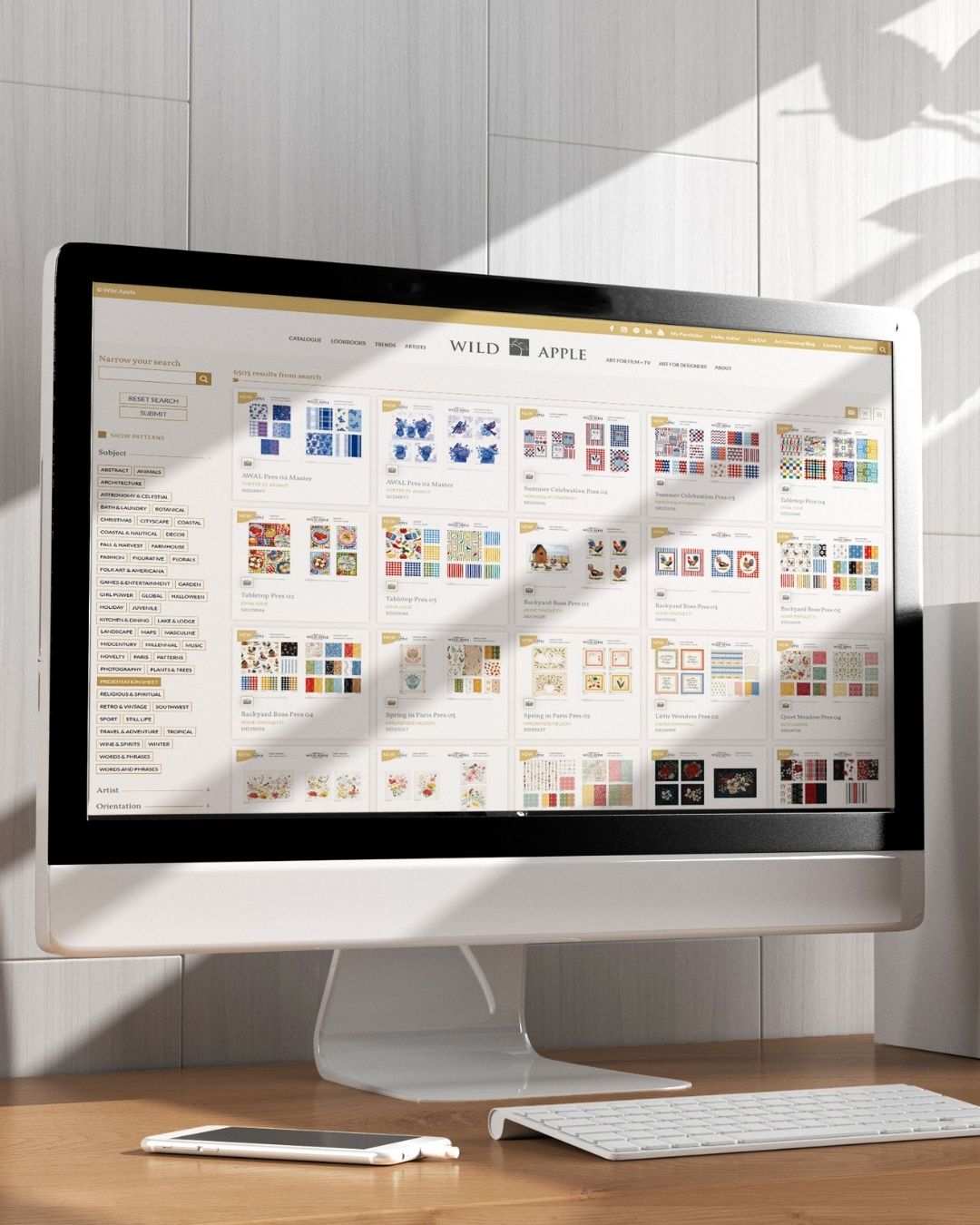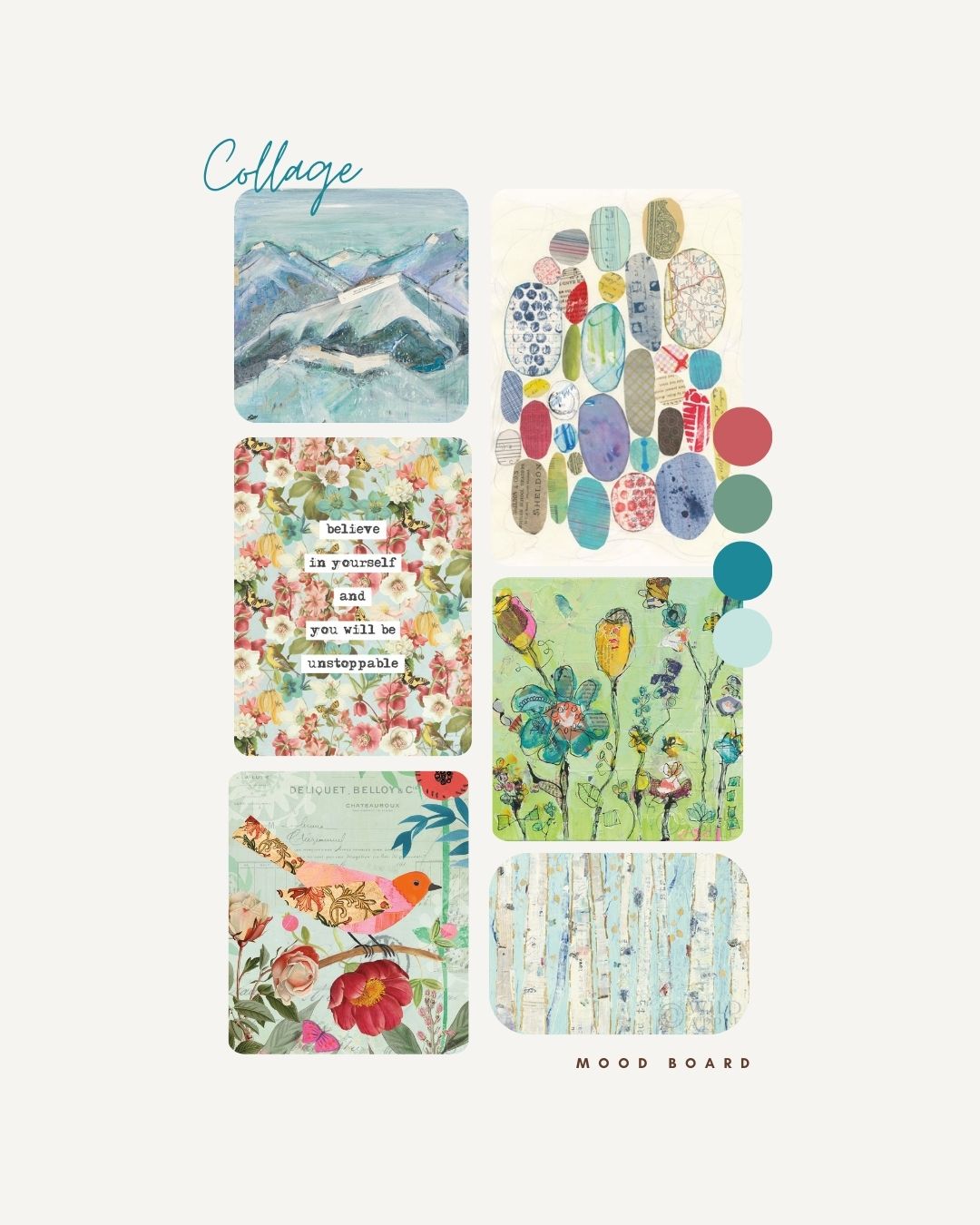
Layered. Textural. Expressive. Collage art is quickly becoming one of the most commercially relevant art licensing directions for 2026/2027.
As retailers and manufacturers refine assortments for wall decor and home decor categories, there is growing demand for artwork that feels dimensional and crafted rather than overly polished or purely digital.
Collage answers that demand. It introduces depth through overlapping forms, visible texture, and intentional composition. The result is artwork that feels contemporary while still grounded in the human hand.
What Is Collage Art?
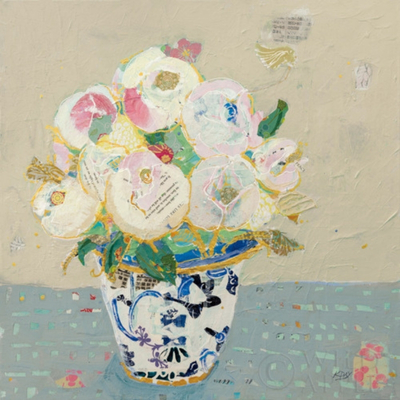
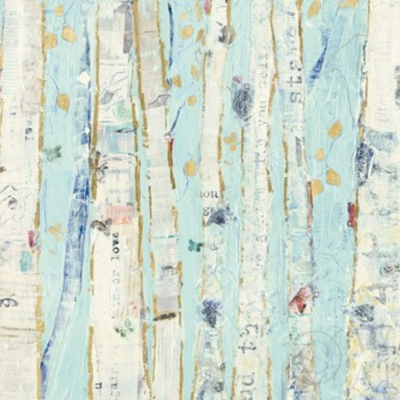
Collage art begins with pieces. Painted scraps. Torn paper. A swipe of texture. A photograph clipped and shifted. A bold line of type layered over something softer. Artists build the image by stacking, overlapping, and adjusting these elements until they click into place. You can often see the edits, the edges, the slight shifts, and that is exactly what gives the work its character and depth.
Unlike flat digital renderings, viewers notice subtle shadowing, irregular edges, transparency shifts, and intersecting forms. These details create movement within the composition and add complexity. For licensing partners, this means artwork that performs strongly in both large-format wall decor and smaller surface applications. The layered quality translates effectively to canvas, framed prints, wallpaper, textiles, stationery, tabletop, and giftware.
Why Collage Is Resonating in 2026
- Consumers are drawn to authenticity. Artwork that shows visible construction feels more personal and less manufactured. Overlapping imagery and tactile textures communicate experimentation and creative exploration, which aligns with a broader appreciation for craftsmanship across home decor categories.
- Layered compositions provide visual richness without relying exclusively on bold color. Texture carries much of the impact. Even neutral palettes feel elevated when paper grain, painterly marks, and subtle opacity shifts are present. This makes collage adaptable to both vibrant trend stories and quieter interior directions.
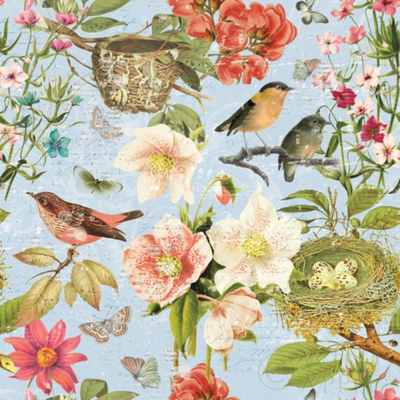
- Collage offers narrative potential. Florals can be built from cut petals layered over patterned backgrounds. Wildlife scenes can be assembled from textured shapes and graphic elements. Landscapes can emerge from overlapping color fields that create atmosphere and depth. The structure of collage lends itself naturally to storytelling.
Abstract, Graphic, and Narrative Applications
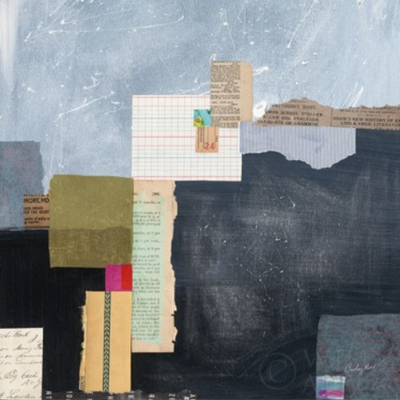
In abstract collections, artists use layered shapes and painterly fragments to create bold compositions with modern energy. These works translate particularly well into oversized canvas and framed art programs.
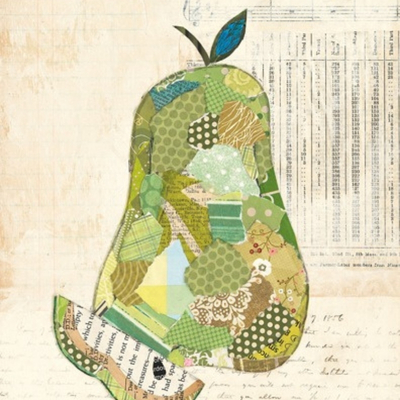
In graphic and illustrative formats, collage becomes more structured. Clean shapes, layered typography, and controlled color palettes create contemporary pieces suited to kitchen decor, office art, and lifestyle products.
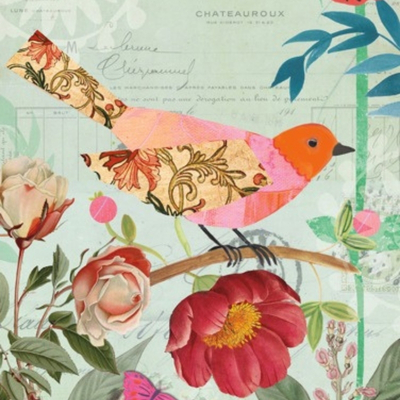
Narrative collage leans into storytelling. Layered florals, birds, and landscapes introduce depth and texture that feel rich without becoming visually overwhelming. This approach works especially well for holiday and themed programs where coordination across multiple SKUs is essential.
How Wild Apple Approaches Collage Art for Licensing Collections
At Wild Apple, collage is viewed as a structural design approach rather than a surface treatment. Our artists explore layering through abstract compositions, narrative scenes, and graphic illustration, each bringing a distinct voice to the trend.
Because our files are built to meet commercial production standards, manufacturers receive artwork that maintains clarity and texture at any scale. This ensures that layered detail holds up whether reproduced as framed art, canvas, wallpaper, textiles, or alternative substrates.
For licensing partners, access to multiple artists working within the collage direction allows for tailored selection. Brands can interpret the trend in a way that aligns with their aesthetic while still delivering relevant, layered artwork to the market.
Looking Ahead
As you plan 2026/2027 assortments, collage art offers a way to introduce depth, dimension, and contemporary craft into your product line. It supports cohesive product development, scales across categories, and resonates with consumers seeking artwork that feels expressive and thoughtfully constructed.
Layered art invites a second look. In today’s retail environment, that pause can make all the difference.