Summary
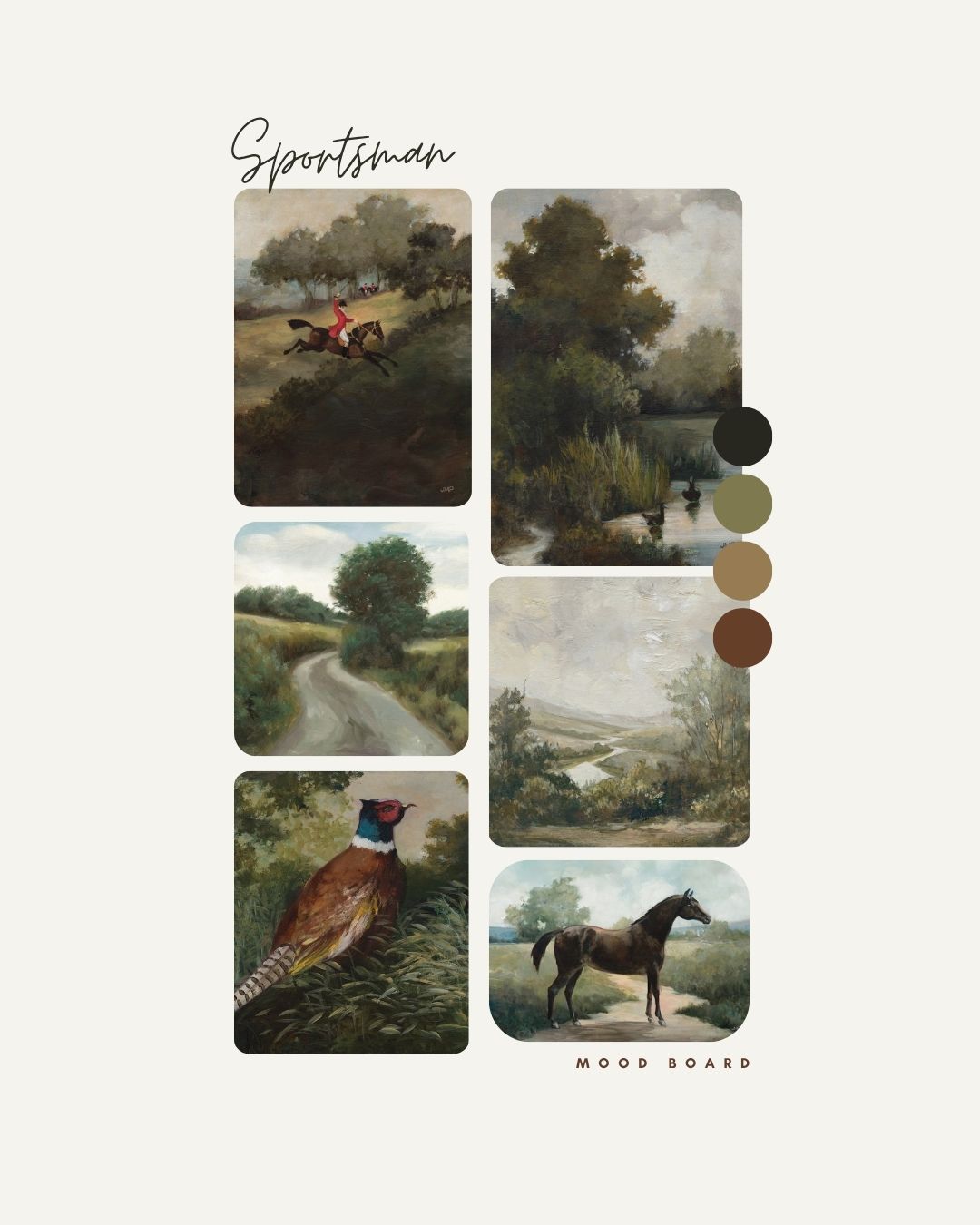
A compelling trend is a starting point. Explore how manufacturers and retailers translate home decor trends into product collections through thoughtful choices in colour, subject, scale and assortment.
It’s easy to fall in love with a mood board. The colours feel fresh, the inspiration is exciting, and you can already imagine the collection coming together. The next step is figuring out how that look will work on the shelf at retail and in your customer’s home.
Translating home decor trends into products means thinking about who’s buying, what they already love and where they might be ready to try something new. That’s where choosing the art gets interesting. A familiar floral in an unexpected palette or a classic motif at a different scale can give a collection a fresh feel while still being easy for shoppers to picture in their own spaces.
1. Start with the Customer Behind the Home Decor Trend
A trend takes on different meaning depending on who is shopping and where.
A dramatic botanical might feel right as oversized wall art for one retailer, while another customer would be more comfortable with a softer interpretation on kitchen textiles. Both can draw from the same creative direction. Before selecting artwork, consider the customer’s existing style, the role of the product and the surrounding assortment. Is this an everyday purchase, a seasonal refresh or a statement piece?
Those details help determine how boldly to interpret a trend. The brief becomes more useful when it describes a real customer and application, giving artists and licensing teams a clearer direction to work toward.
2. Use Colour and Familiar Subjects to Introduce Something Fresh
One way to make a new direction approachable is to pair a familiar subject with a fresh treatment.
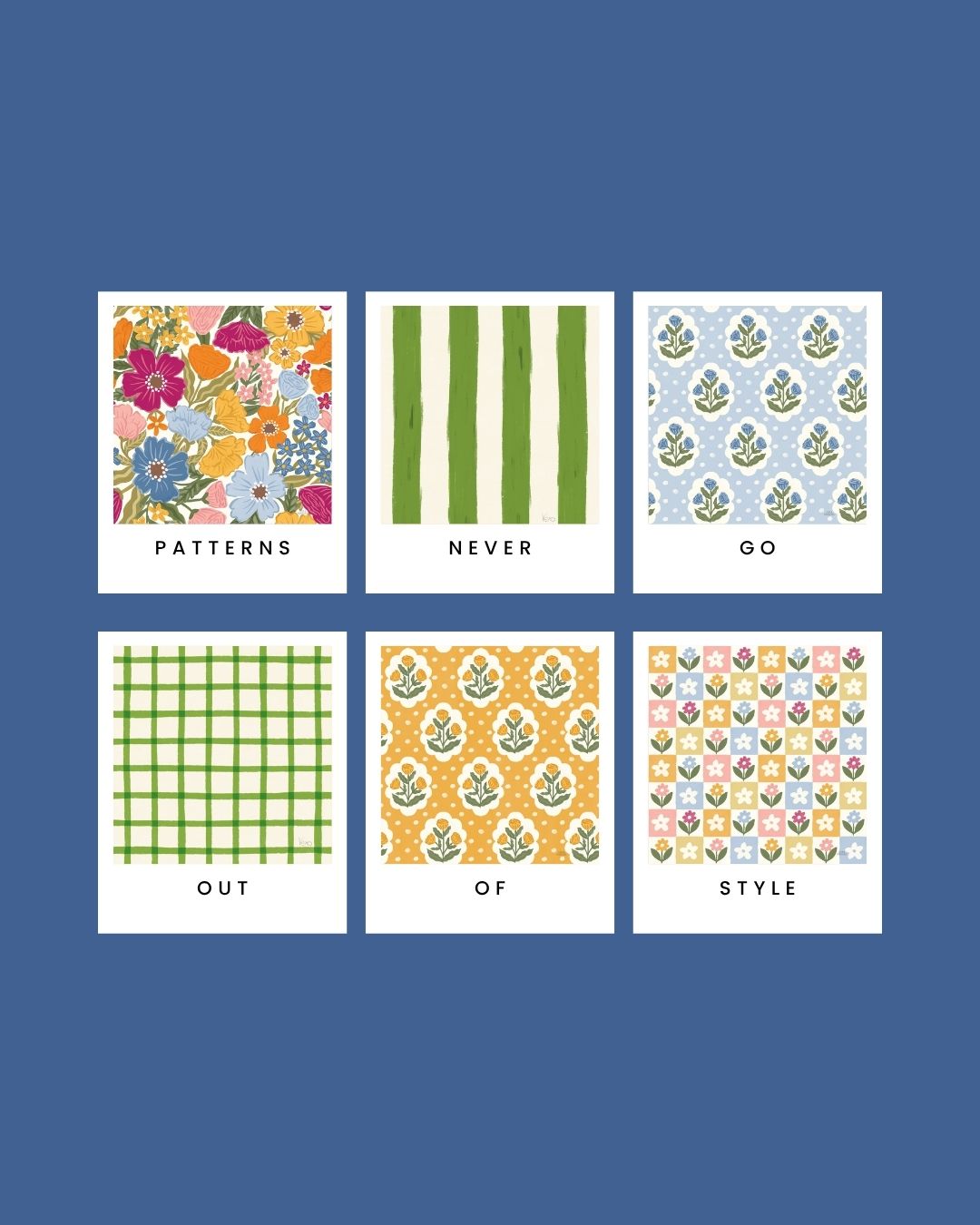
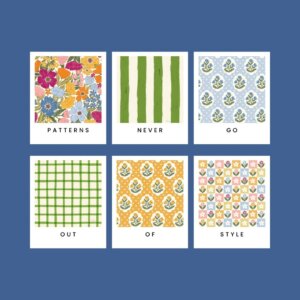
- A traditional floral takes on a different personality in earthy pink and olive.
- A classic landscape can feel more modern through simplified shapes and an unexpected crop.
- Even a stripe can carry a colour story without asking the customer to commit to a complex design.
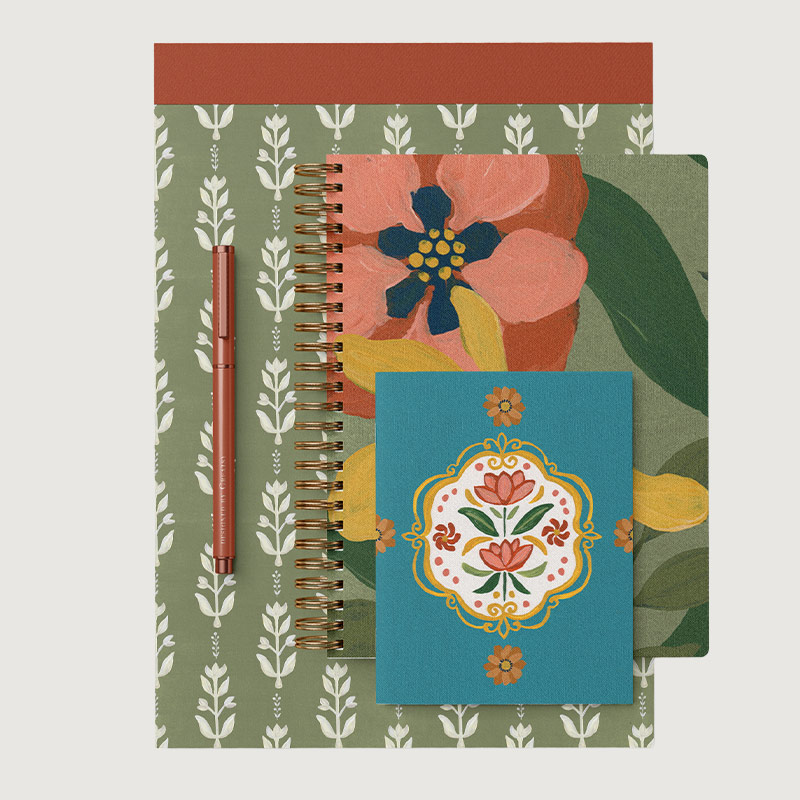
When developing licensed home decor products, you can take a look in a few different directions. An expressive floral might be the starting point for a statement piece, with simpler coordinating designs carrying its colours into smaller accessories. Shoppers have something familiar to connect with, while an unexpected palette or a new take on the subject keeps the collection interesting.
3. Build an Assortment with Different Levels of Expression
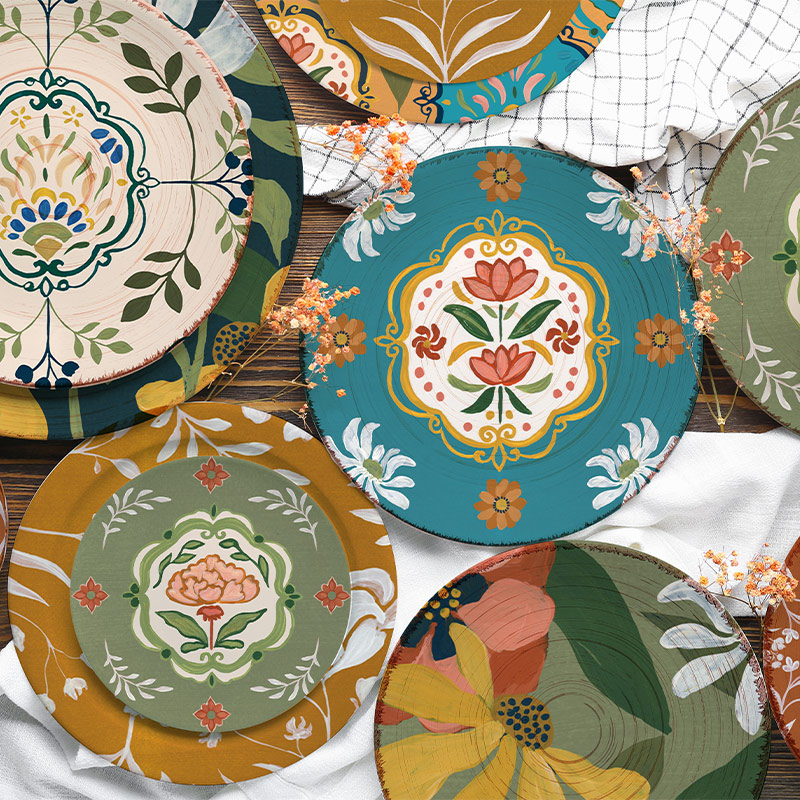
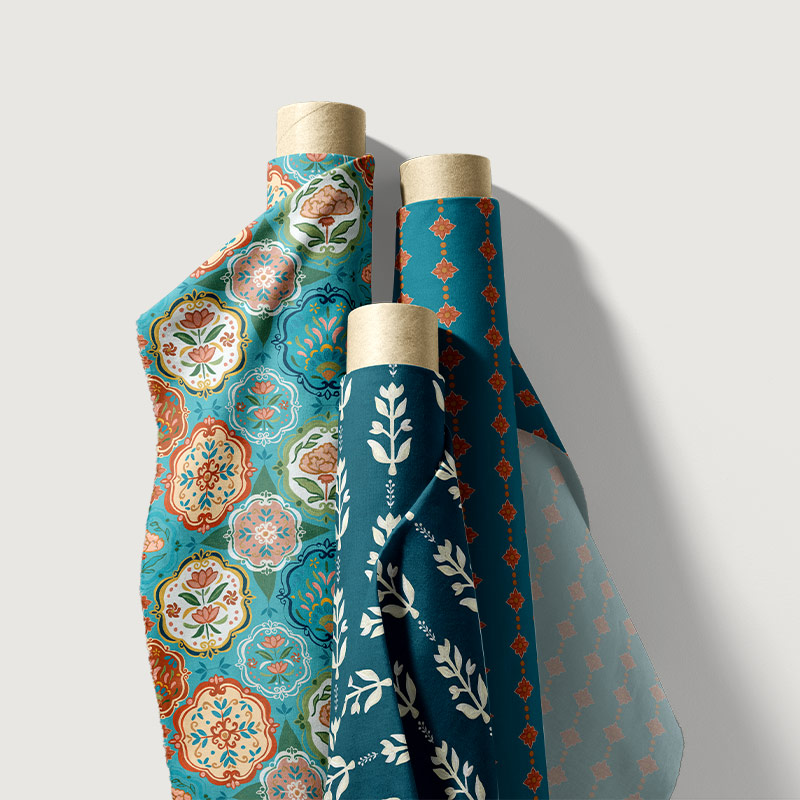
A strong collection gives you a few different ways to enjoy the same look. Picture a botanical paired with a simple stripe. The floral might take centre stage on wall decor or a serving platter, while the other designs find their place on textiles, stationery and giftware. Seeing the artwork on product mockups helps you work out how it all comes together, from the details that show up at different sizes to how colours look across materials.
For manufacturers, art licensing opens up possibilities to explore related artwork and build a collection where each piece brings something of its own.
Find Fresh Art for Your Next Home Decor Collection
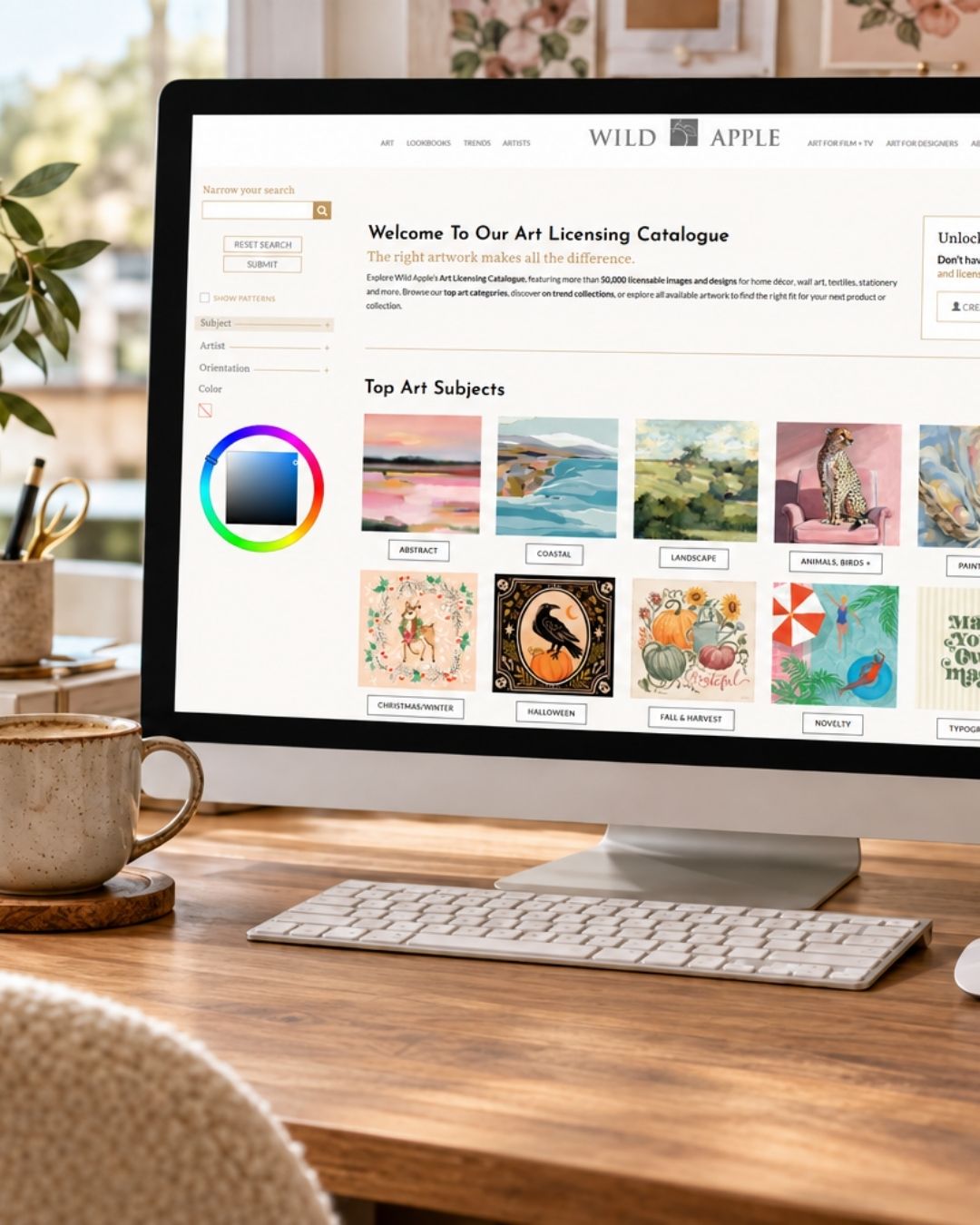
Sometimes a fresh look starts with one thoughtful detail: a different colour, an unexpected pairing or a new take on a favourite subject. At Wild Apple, we work with manufacturers and retailers to explore those possibilities and find art that fits their products and customers. Explore our online catalogue and start a portfolio for your next collection, or get in touch with our team to talk through your ideas.