Summary
Private label home decor is becoming more design-driven, with retailers looking for collections that feel distinctive, cohesive and ownable. Art licensing can help manufacturers and retailers build those collections by providing access to original artwork, experienced creative teams, a continual flow of new art and opportunities to collaborate with artists on custom or exclusive directions.
Private label home decor has come a long way.
We’re seeing retailers investing more thought into their own collections, developing stronger visual identities and looking for products that feel distinctive enough to earn a place in increasingly crowded stores and online marketplaces.
For manufacturers and retailers, that puts design at the centre of product development. Two products can serve exactly the same purpose, yet the artwork, colour, pattern and overall point of view can make one feel much more desirable than the other.
That is where art licensing can play an important role.
Private Label Home Decor Needs a Point of View
Walk through a major retailer today, and many private brands have a recognizable look. Collections are built around a particular customer, lifestyle or aesthetic, with colour, photography, packaging, pattern and product design working together.
Home decor is particularly suited to this approach because so much of the buying decision is visual. A mug, cushion, rug or framed print may be functional, but it is often the design that makes us stop, pick it up and imagine it in our own home.
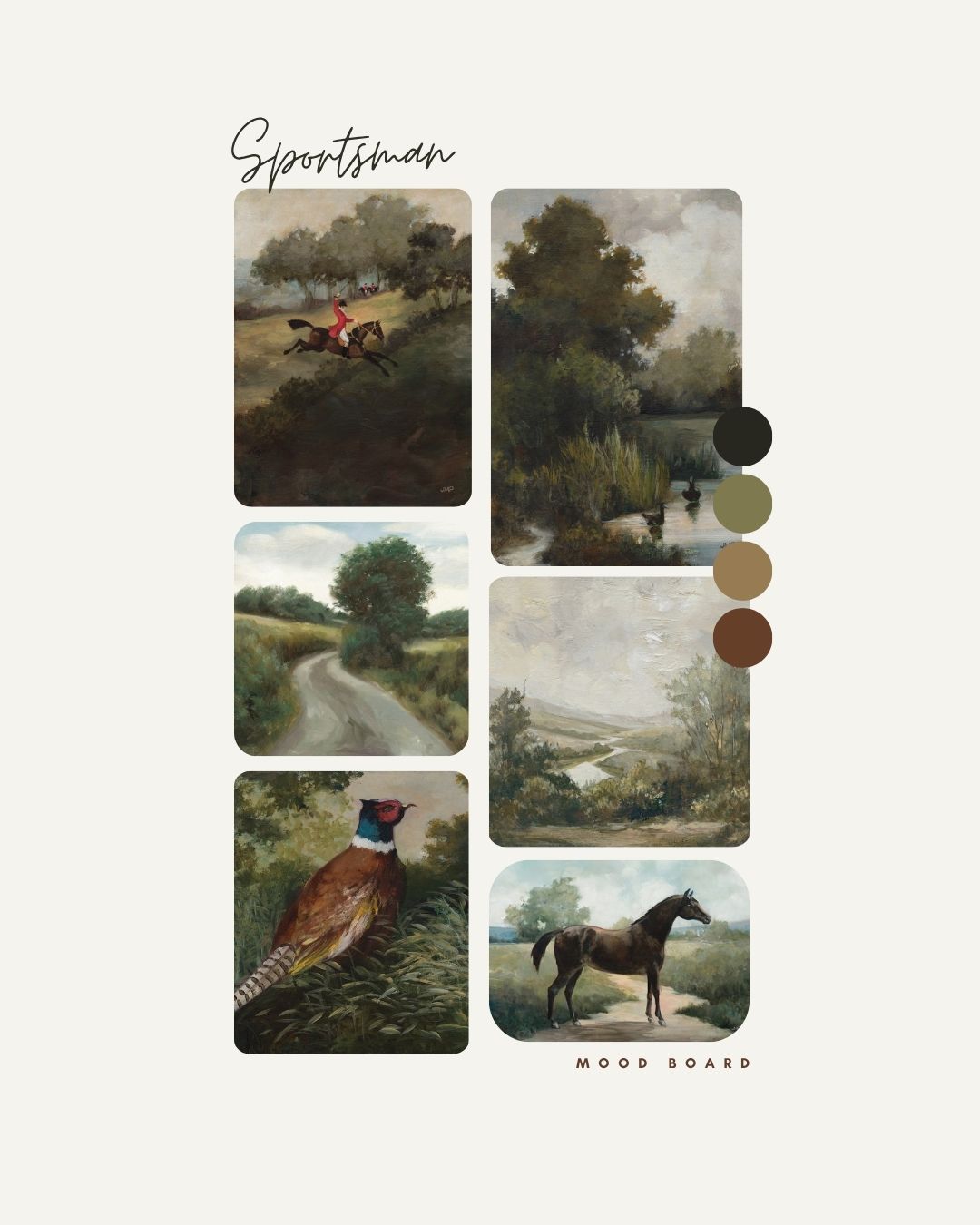
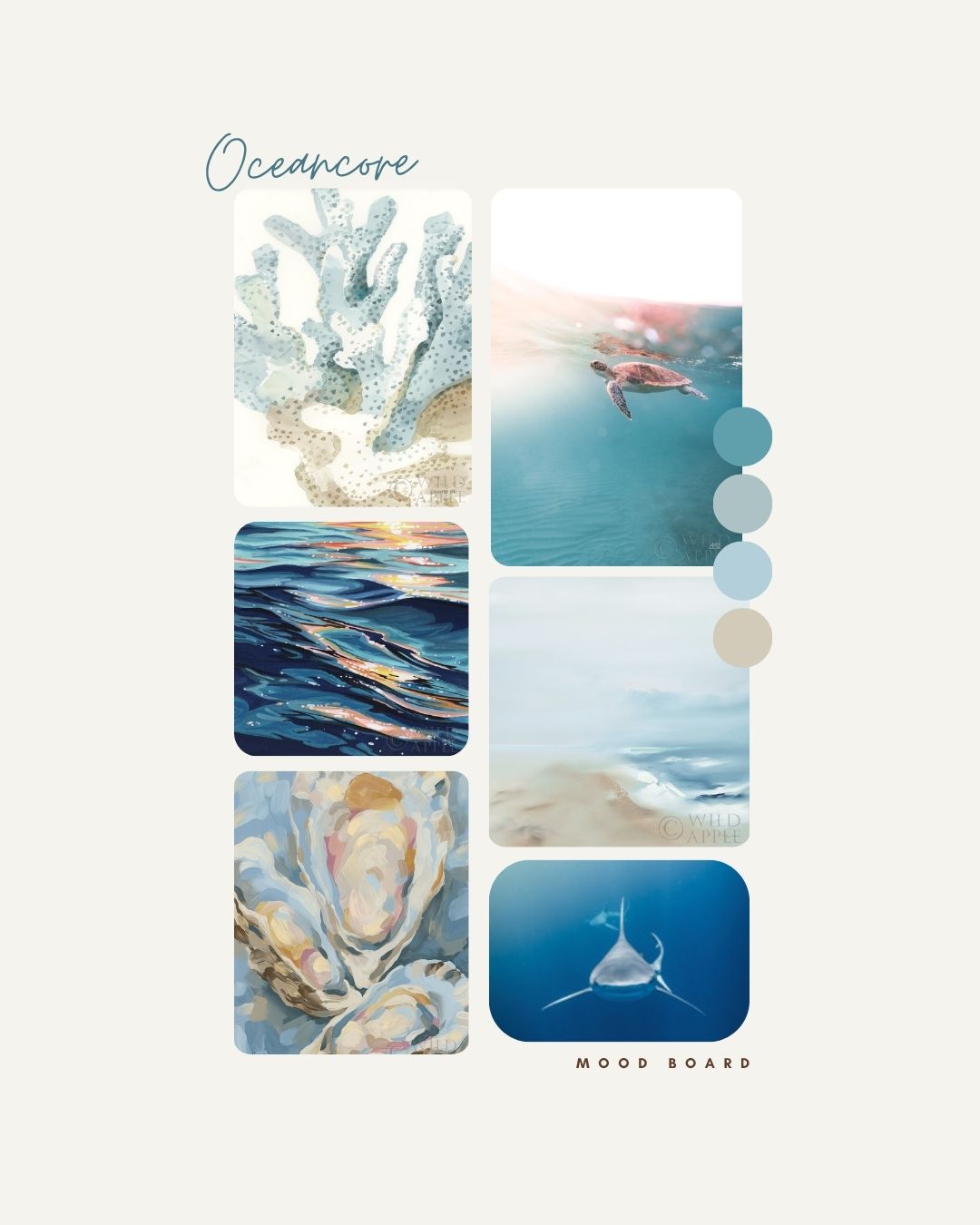
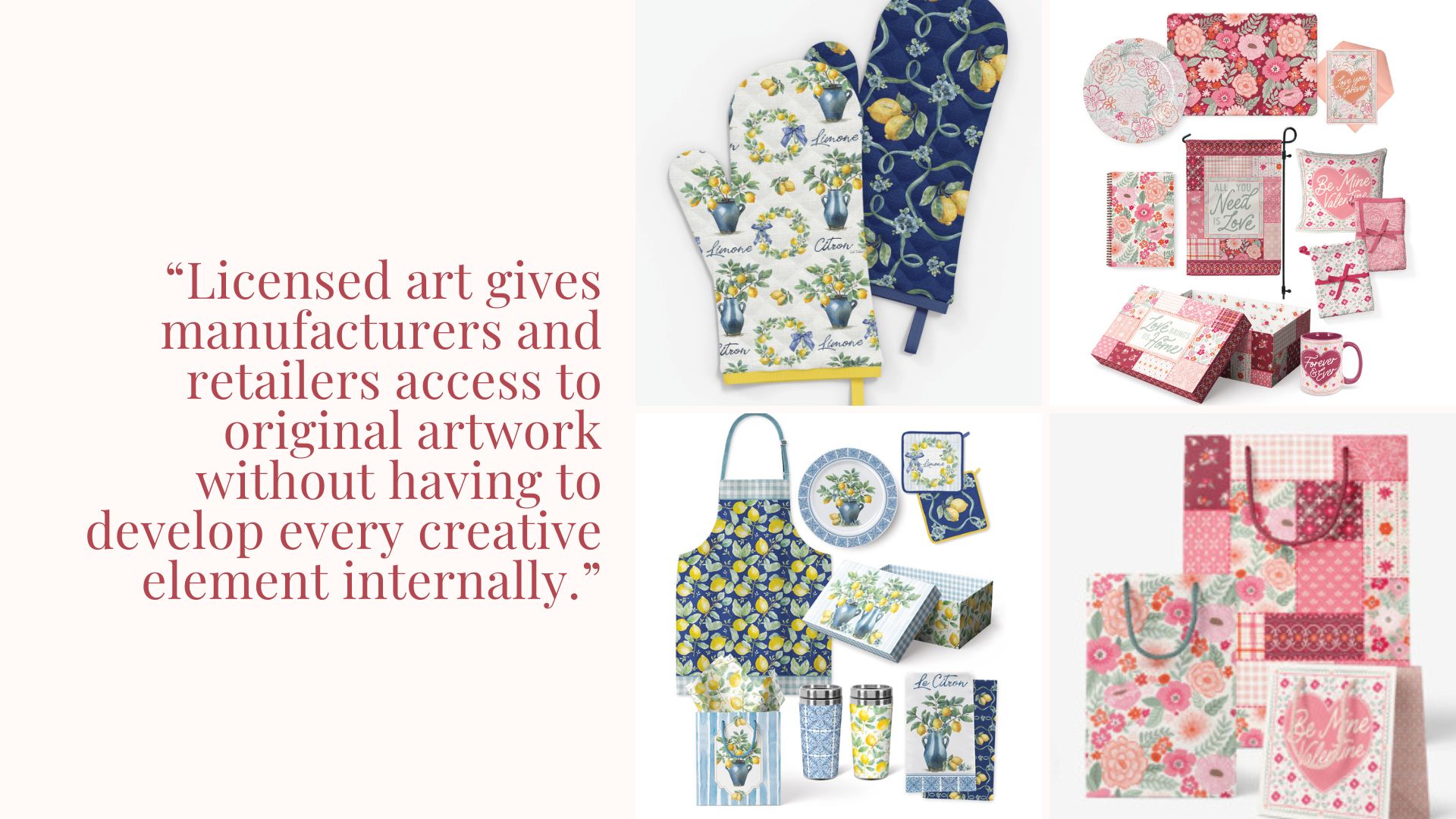
Licensed art gives manufacturers and retailers access to original artwork without having to develop every creative element internally. Florals, landscapes, abstracts, patterns and illustrative collections can become the starting point for a much broader product story.
The right artwork can help make a private label home decor collection feel intentional rather than randomly assembled.
Think Beyond Putting Art on a Product
There is a difference between selecting an attractive image and building a collection around art.
When artwork becomes part of the development process early on, there is much more room to create a cohesive assortment. A hero floral can inspire coordinating patterns for textiles. The palette of a landscape might influence accessories, tabletop or packaging. Several pieces from one artist can provide variety while keeping a recognizable visual thread running through the collection.
For manufacturers, working with an art licensing agency can also simplify that process. Instead of searching for one image at a time, teams can explore entire artist portfolios, coordinating patterns and collections developed around specific subjects, colours and trends.
The conversation becomes less about filling a blank space on a product and more about finding the artwork that fits the customer you are designing for.
Art Exclusivity Can Add Real Value
Art licensing for retailers and manufacturers can also provide opportunities for exclusivity.
Depending on the licensing agreement, artwork is usually licensed exclusively within a particular product category. For a retailer developing a private brand or exclusive collection, that can help create products that feel more ownable and less interchangeable with everything else in the marketplace.
It also allows the creative direction to become much more specific.
A heritage-inspired tabletop program may call for traditional florals, block prints or botanical imagery. A contemporary wall decor collection may need expressive abstracts or graphic landscapes. A stationery brand may be looking for playful illustration and pattern. The strongest result comes from finding art that works for the product, the customer and the retail environment at the same time.
More Than Access to Art
Partnering with an art licensing agency gives manufacturers and retailers much more than access to a catalogue of images. It brings a team of people who understand art, trends, product development and the realities of bringing a collection to market, along with a continual flow of new artwork from artists working across a wide range of styles and categories.
That relationship can also become highly collaborative. If a customer loves the work of a particular artist, the agency can help develop a more focused collection around that aesthetic, subject or product opportunity. It might mean exploring an artist’s existing portfolio, identifying coordinating pieces and patterns, or working directly with the artist to create something new for a specific collection.
For product teams, that ongoing creative partnership can be incredibly valuable. Instead of starting from scratch with every new season or assortment, they have access to fresh art, experienced curation and artists whose work can evolve alongside their brand.
The Opportunity for Retailers and Manufacturers
As private label home decor becomes more sophisticated, artwork has the potential to do much more than decorate a product. It can establish a mood, connect a collection, introduce colour and pattern and help create the visual identity consumers remember.
At Wild Apple, we work with manufacturers and retailers around the world, providing top-selling art for wall decor, textiles, tabletop, stationery, giftware and home decor products. With 70K+ images, patterns and artist collections to explore, our team can help narrow the search and curate artwork around a specific customer, category or creative direction.
Planning a new private label home decor collection? Contact the Wild Apple team and let us help you find the art that brings it together.
FAQ
What is private label home decor?
Private label home decor refers to home products developed and sold under a retailer’s own brand rather than a national or third party consumer brand. These collections can include wall decor, textiles, tabletop, stationery, rugs, accessories and many other home categories.
How can art licensing be used for private label products?
Retailers and manufacturers can license artwork, patterns and designs for use on specific products or collections. Artwork can often be coordinated across several products to help create a cohesive visual story.
Can licensed artwork be exclusive?
Yes. Depending on the licensing agreement, artwork may be licensed exclusively for a particular product category, market, territory or period of time.
What types of products can use licensed art?
Licensed art can be used across many home decor categories, including framed art, canvas, textiles, dinnerware, stationery, rugs, wallpaper, kitchenware, giftware and decorative accessories.