Gretchen has been shaping Wild Apple’s creative heartbeat for more than two decades, guiding artists, collections, and customers through an industry that never sits still.
She has lived the shift from paint-on-paper portfolios to fast, digital collaboration and data-smart decisions, all while keeping the focus where it belongs. Great art that resonates.
At Wild Apple, we support manufacturers, retailers, and designers with art licensing that’s built for today’s product timelines. From trend-right collections to high-quality digital files, our goal is to make it easy to bring sellable art to market.
In this Q&A, our Director of Art Development talks about the craft behind a strong collection, why collaboration wins, and what the future holds for art in home decor. Think authenticity, personalization, and storytelling that connects artists, publishers, and the retailers who bring it all home.
You’ve been with Wild Apple for over 20 years. What’s the biggest change you’ve seen in how art is developed and licensed today across the industry?
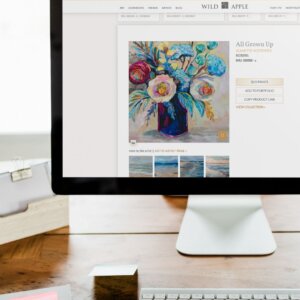
One of the biggest changes I’ve seen in the art licensing industry over the past 20 years is the shift toward digital innovation and data-driven decision-making. When I first started, the process was more traditional—hand-painted artwork, physical portfolios, and in-person presentations. Today, technology has completely transformed how we develop and license art. Digital tools allow for faster iteration, customized color adjustments, and seamless collaboration between artists, art directors, and clients across the globe.
Despite all these changes, one thing remains the same: great art is always at the heart of the business. The way we create and license it has evolved, but the need for fresh, inspiring, and emotionally resonant art will never go away.
Why it matters for B2B buyers: faster iteration means quicker sampling, better color accuracy across substrates, and fewer delays between design approval and production. Our digital delivery supports print on paper, canvas, metal, glass, and more.
As an art director, you work closely with artists to create collections. What’s your favorite part of that creative process?
My favorite part of the creative process is the collaboration between artist, art director, and our customers. There’s nothing more rewarding than seeing an artist’s work evolve from concept to a cohesive collection that resonates with buyers and consumers.
Guiding that process, refining the details, and watching the collection take shape is incredibly fulfilling. And of course, seeing the final product out in the world—whether in a showroom, a retail space, or someone’s home, is the ultimate reward.
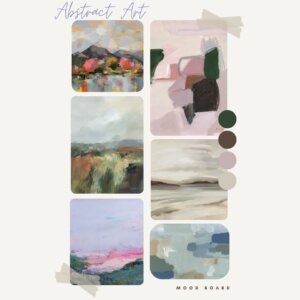
For product teams: cohesive collections help you plan multi-sku stories across wall decor and home accents. Coordinating art and patterns make it simple to build families, scale into new sizes, and refresh assortments season after season.
Wild Apple has been at the forefront of art licensing for decades. What excites you most about the future of art in home decor?
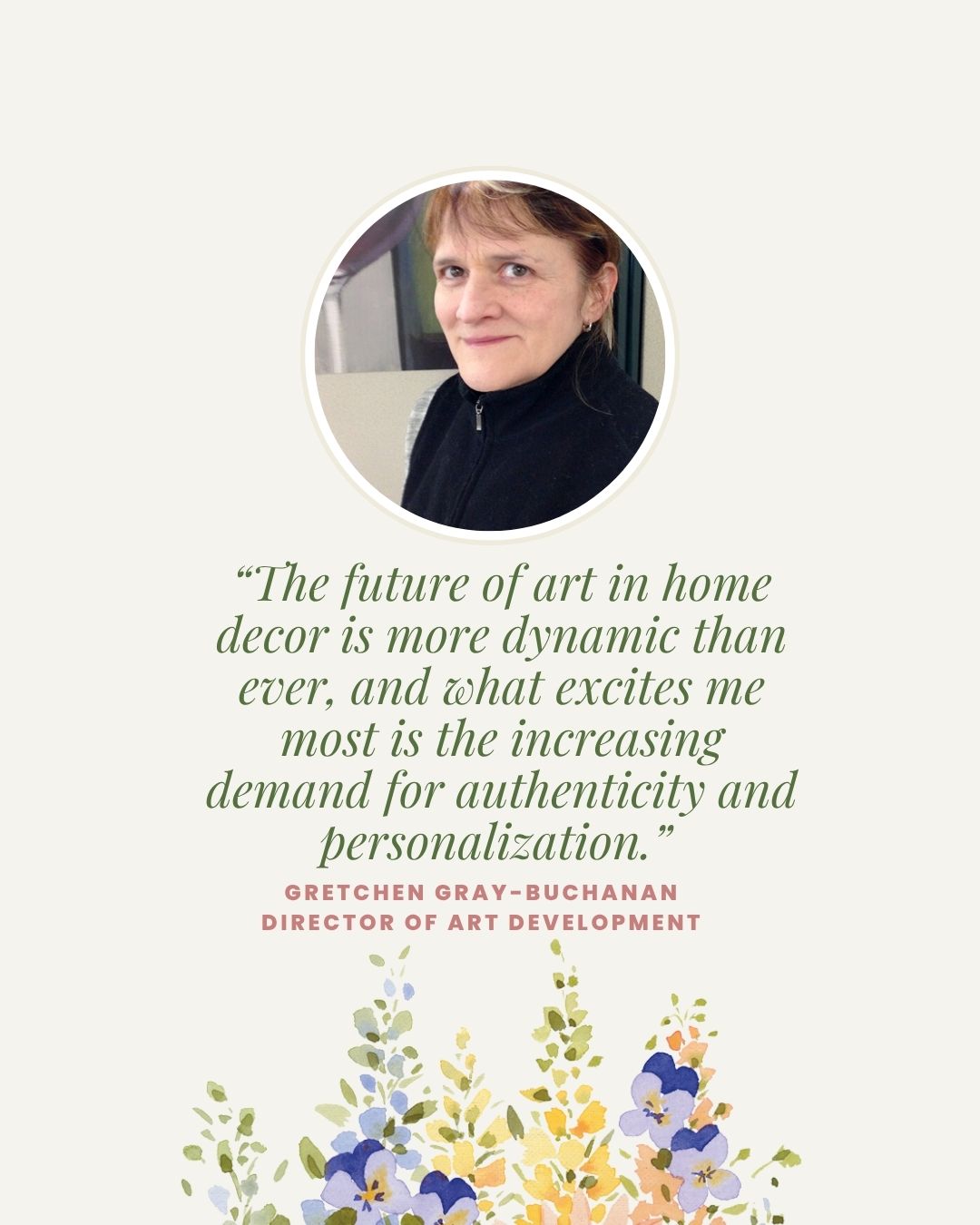
The future of art in home decor is more dynamic than ever, and what excites me most is the increasing demand for authenticity and personalization. Consumers are looking for art that resonates on a deeper level, whether through handcrafted aesthetics, nostalgic influences, or bold, expressive statements. The blend of digital innovation with traditional artistry also opens up endless possibilities, allowing for new textures, finishes, and even interactive elements in decor.
As trends evolve, I see a growing appreciation for meaningful storytelling in art, making the connection between artist, publisher, and consumer even more impactful.
Trend takeaway for manufacturers and retailers: authenticity sells. Collections that balance handcrafted looks with production-ready files perform well at retail and support differentiation for private label programs.
How did you get started in the art licensing industry?
I started in the art licensing industry by apprenticing with an artist who ran her own licensing and product development business. She taught me not only the creative side of the industry but also how to work with customers to deliver artwork that meets their needs. That experience gave me invaluable insight into both the artistic and business aspects of licensing, shaping how I collaborate with artists and clients today.
Our approach today: we pair artist vision with market needs, helping clients find artwork that aligns with trend direction, price point, and category requirements.
What does a typical day look like for you as Director of Art Development?
Most days are crazy busy, juggling multiple projects at once, but that’s what makes it exciting! I’m incredibly grateful for our talented Wild Apple team, whose creativity, skills, professionalism, and can-do spirit make everything possible. And, of course, I’m always inspired by the amazing artists we work with, who consistently bring fresh, beautiful artwork for us to place in the perfect licensing homes year after year.
For buyers on deadlines: our team structure supports quick turns on color changes, cropping, sizing, and file prep so you can move from concept to sample without losing momentum.
What’s one piece of advice you’d give to artists looking to license their work?
Be patient, stay open to feedback, and don’t take rejection personally. Art licensing is a long game, and not every piece will be the right fit for every customer. Sometimes, a small tweak can make all the difference. Trust the process, keep creating, and remember that persistence and flexibility are key to success in this industry.
Artist note: collections that include coordinating patterns and multiple colorways give manufacturers options, which often leads to stronger picks.